2026 Football World Cup: 30 Days Analyzed
The 2026 football world cup is the first expanded 48-team FIFA World Cup, hosted across the United States, Canada, and Mexico, and it will reshape how fans plan travel, viewing, and match analysis. Wo...

2026 Football World Cup: 30 Days Analyzed
The 2026 football world cup is the first expanded 48-team FIFA World Cup, hosted across the United States, Canada, and Mexico, and it will reshape how fans plan travel, viewing, and match analysis. World Cup Hub covers the tournament from a data-led angle for global football fans, including predictions, team tactics, player stats, and responsible betting coverage. The biggest edge is not simply knowing who plays where; it is building a plan around transport, rest days, fan zones, kickoff timing, and squad rotation. Los Angeles is scheduled for eight matches and 39 days of celebrations, while the final is set for the New York New Jersey area on July 19, 2026. Treat the tournament like a 30-day project: map cities, match windows, and budget before buying tickets.
Photo by Vlad Vasnetsov on Pexels
The question this article answers is simple: how should a serious fan prepare for the 2026 football world cup without getting overwhelmed by host cities, ticket timing, fan festivals, and betting markets? The best plans start with a “match cluster” rather than a dream fixture. A cluster means choosing one region, two or three match days, one official fan zone, and a backup viewing plan. FIFA’s official tournament overview confirms the cross-border format, while the 2026 FIFA World Cup final page documents the July 19 final at MetLife Stadium. For deeper tactical prep, World Cup Hub’s daily previews can sit beside your itinerary, not replace it. To compare team form before you travel, check our 2026 World Cup team tactics guide.
Start planning with the same data fans use to evaluate teams and venues.
If you want match access: do city-first planning
City-first planning means choosing the host destination before choosing the team, because the 2026 football world cup spreads demand across multiple countries, airports, stadiums, and fan areas. Los Angeles, Atlanta, and New York New Jersey each require different transport, lodging, and timing strategies.
In Los Angeles, early hotel mapping can matter more than late ticket chasing. The Los Angeles World Cup 26 program highlights eight matches, the FIFA Fan Festival at the LA Memorial Coliseum at Exposition Park, official fan zones, and 39 days of fan celebrations. That creates a rare advantage: even if you miss a premium match ticket at SoFi Stadium, you can still build a full football week around fan festivals, watch parties, food events, and city culture. The hidden issue is distance. A hotel that looks “near LA” on a national map can still sit 60 to 90 minutes from key events in traffic, especially around Exposition Park, Inglewood, and coastal accommodation zones.
For Atlanta, the decision is different. Mercedes-Benz Stadium is a compact anchor compared with the spread-out Los Angeles experience, and Atlanta’s official host messaging leans heavily into culture, music, hospitality, and the city’s status as a Southern soccer hub. Atlanta can be easier for a two-match trip if you value walkable pre-match energy, downtown hotels, and a single-stadium focus. However, that convenience can push prices upward around semifinal demand. My practical ranking for access is: pick Los Angeles for festival volume, Atlanta for concentrated atmosphere, and New York New Jersey for final-week prestige. For more venue comparisons, use our 2026 World Cup stadium travel planner.
If you follow betting markets: do evidence-first tracking
Evidence-first tracking means recording team news, travel load, tactical changes, and market movement before placing any 2026 football world cup wager. A price is only useful when compared with lineup probability, rest days, weather, and opponent style.
Because World Cup Hub operates in the gambling content industry, I treat betting coverage as analysis, not hype. Casual previews often miss turnaround time between matches, expected travel burden, and whether a team’s pressing style is sustainable in summer conditions. A nation that looks attractive on reputation may become fragile after a six-day cross-country sequence, while a technically modest team may outperform if it stays in one region and plays at consistent kickoff times. The FIFA tournament hub is the primary source for fixtures and host information, and responsible bettors should verify dates there before reacting to early odds.
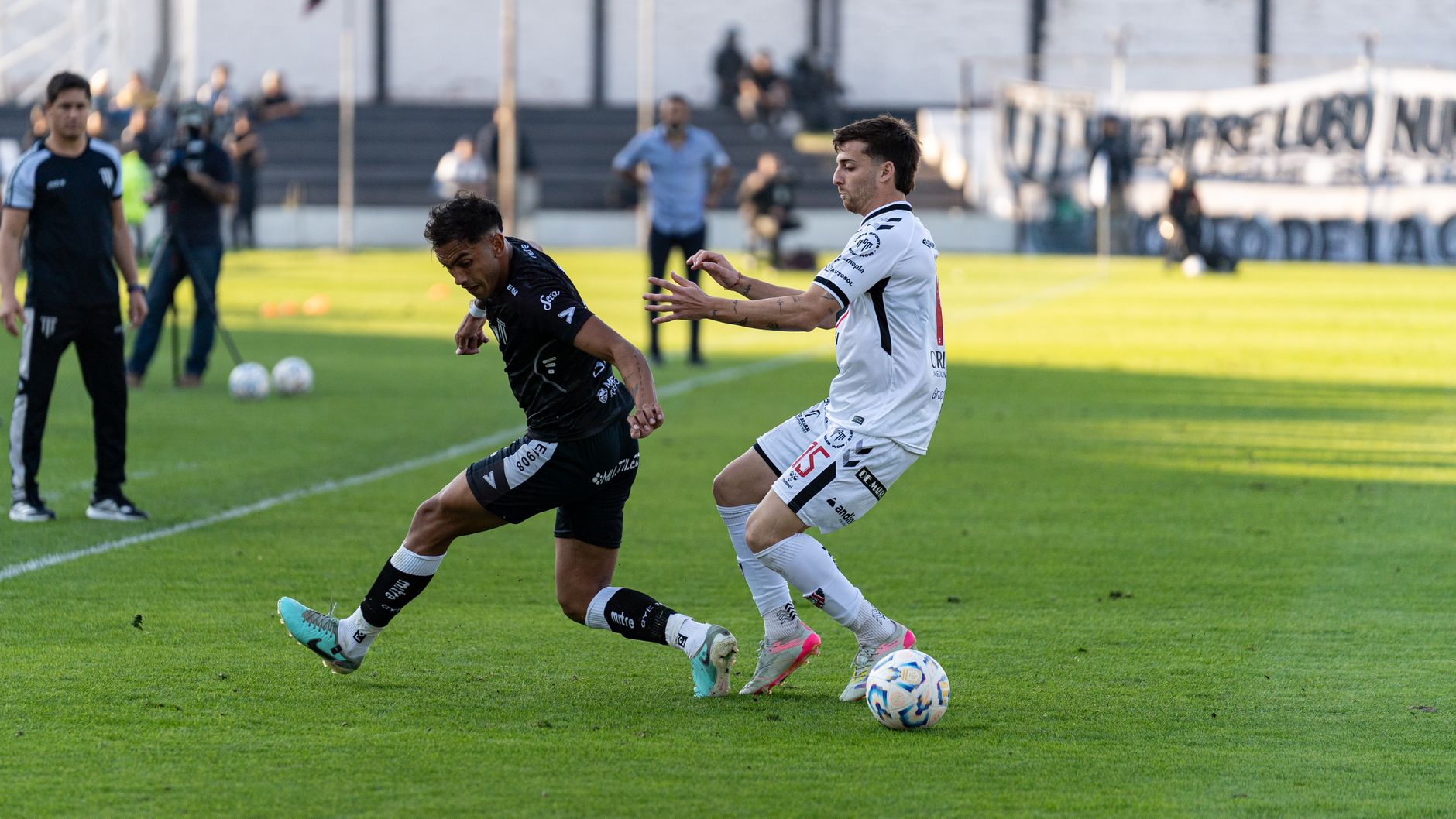
Photo by Franco Monsalvo on Pexels
My contrarian conclusion is that group-stage betting may offer better information edges than knockout betting in 2026. Knockout markets are watched heavily by global books and casual bettors, but group-stage rotation, second-match fatigue, and regional travel patterns are easier to price incorrectly. For example, a favorite playing its third group match after already qualifying may rest two or three starters, while an underdog in the same venue cluster may field its strongest XI. I would track:
- Confirmed venue and kickoff time
- Days of rest since the previous match
- Distance from prior host city
- Yellow-card risk for key defenders
- Whether a draw benefits both teams
See the details before building your match and market shortlist.
If you want the full fan experience: do festival mapping
Festival mapping means planning the days around official fan areas, public screenings, local culture, and recovery time, not only the 90 minutes inside the stadium. In 2026, this matters because host cities are building multi-day football ecosystems.
Los Angeles is the clearest example. Its host program promotes the FIFA Fan Festival at the LA Memorial Coliseum and official fan zones across Los Angeles County, turning the city into a long-form event rather than a single match venue. An operational tip is to avoid booking back-to-back late nights before a stadium day. A fan festival can feel effortless on paper, but security checks, rideshare queues, heat, and walking distances can drain energy before kickoff. If you are traveling with family, treat one festival session as a main event and one as optional, not mandatory.
Atlanta offers a different emotional profile. The city’s host identity emphasizes Southern hospitality, sports culture, music, and Atlanta United’s supporter base. According to the Atlanta Convention and Visitors Bureau, the city’s visitor economy is built around conventions, sports, dining, and entertainment, which should help fans combine football with non-match experiences. My preferred Atlanta setup is a three-day rhythm: arrival and neighborhood exploration, match day at Mercedes-Benz Stadium, then a recovery day with a public viewing or local food route. For culture-driven football trips, see our best 2026 World Cup host city experiences.
What common pitfalls should you avoid?
The biggest pitfalls are overbooking, underestimating city distance, relying on unofficial ticket claims, and treating betting odds as predictions. The 2026 football world cup is larger than past editions, so small planning mistakes can compound across travel, match days, and budgets.
The first trap is assuming all host-city experiences are interchangeable. Los Angeles and Atlanta both promise major football energy, but the logistics are not the same. Los Angeles spreads its celebrations across a huge metropolitan area, while Atlanta’s appeal is more centralized around Mercedes-Benz Stadium and downtown culture. The second trap is buying accommodation before checking transport routes. A low nightly rate can disappear once you add surge pricing, parking, or late-night rideshare costs. The third trap is ignoring official communication. FIFA’s ticketing, host-city pages, and venue guidance should outrank social media screenshots and resale rumors.
For betting-minded readers, the most expensive mistake is confusing narrative with probability. A famous striker returning from injury may dominate headlines, but a 60-minute fitness cap changes goal-scoring expectation. A popular nation may attract public money, but that does not automatically create value on the other side unless the price moves beyond fair probability. A simple three-part filter can be used before any wager:
- Is the lineup information current?
- Does the price reflect travel and rest conditions?
- Would I still like the bet if the team names were hidden?

Get a sharper view of teams, prices, and host-city context before the tournament peaks.
What should you review at the 30-day check-in?
At the 30-day check-in, review tickets, lodging, transport, fan zones, team news, and betting exposure. This is the point where excitement should become a written plan with confirmed details and clear limits.
A 30-day review template has five parts. First, verify official match details against FIFA, host-city pages, and venue guidance. Second, check accommodation cancellation windows, because prices may shift if your target nation is eliminated or reassigned in your personal plan. Third, build two transport routes for every stadium day: one primary route and one fallback. Fourth, track team news through credible outlets and World Cup Hub’s previews rather than relying on viral clips. Fifth, if you bet, set a fixed bankroll before the opening match and avoid increasing stakes just because the tournament becomes emotionally intense. The American Gaming Association states in its responsible gaming messaging that legal wagering should be done with limits, and that principle is especially important during a month-long global event.
A useful checklist for 30 days out is:
- Confirm match dates, kickoff times, and venue rules
- Save offline maps for stadium and fan-zone areas
- Compare official fan zones with private watch parties
- Track injuries, suspensions, and expected lineups
- Set a daily food, transport, and merchandise budget
- Define betting limits before odds movement begins
The 2026 football world cup will reward fans who combine passion with structure. Los Angeles may deliver the broadest festival calendar, Atlanta may offer one of the most concentrated city atmospheres, and New York New Jersey will own the final spotlight on July 19, 2026. The best trip is not the most crowded itinerary; it is the one with enough margin to enjoy the match, the city, and the story unfolding around both.
Build your 2026 football world cup plan with daily insights from World Cup Hub.
Frequently Asked Questions
Q: What is the 2026 football world cup?
A: The 2026 football world cup is the expanded 48-team FIFA World Cup hosted by the United States, Canada, and Mexico. It is the first men’s World Cup with 48 teams, creating more matches, more travel variables, and more host-city programming than previous editions. Fans should follow FIFA and official host-city channels for fixture, venue, and ticket updates.
Q: How should I plan a 2026 football world cup trip?
A: Plan your trip by choosing a host-city cluster before choosing individual matches. Start with one region, confirm stadium transport, compare hotel cancellation terms, and add official fan zones as secondary events. This approach reduces travel stress and gives you options if ticket availability or team schedules change.
Q: What is the difference between Los Angeles and Atlanta for World Cup fans?
A: Los Angeles offers a wider festival-style experience, while Atlanta offers a more concentrated stadium-and-city atmosphere. Los Angeles is scheduled for eight matches and 39 days of fan celebrations, including major fan events around Exposition Park. Atlanta’s strength is its downtown stadium setting, football culture, and Southern hospitality.
Q: Why do 2026 football world cup betting picks fail?
A: Betting picks often fail when they ignore lineup rotation, travel fatigue, and match incentives. A strong team may rest players after qualification, while an underdog may benefit from consistent venues and extra rest. Always compare odds with current team news, rest days, and tactical matchups before betting.
Q: How much does it cost to attend the 2026 football world cup?
A: Total cost depends on tickets, city, hotel timing, flights, and local transport. A practical budget should include match tickets, accommodation, airport transfers, stadium transport, meals, merchandise, and fan-zone spending. Prices can rise sharply around knockout rounds, the July 19 final, and high-demand host cities.
Q: What should I do if I cannot get match tickets?
A: If you cannot get match tickets, build your trip around official fan zones, FIFA Fan Festival events, and public watch parties. Los Angeles, for example, is promoting major fan celebrations beyond stadium matches. This can still deliver a strong World Cup atmosphere without paying resale premiums.