Football Fitness Training Tips: What 6 Weeks Taught Me
Football fitness training works best when it combines aerobic capacity, repeated sprint ability, strength, mobility, and recovery rather than treating running as the entire solution. Over six weeks, a...

Football Fitness Training Tips: What 6 Weeks Taught Me
Football fitness training works best when it combines aerobic capacity, repeated sprint ability, strength, mobility, and recovery rather than treating running as the entire solution. Over six weeks, a player can improve match endurance by using two conditioning sessions, two strength sessions, and one football-specific speed session each week, provided training load increases gradually. A useful target is 20–30 minutes of high-intensity work within a 60–90-minute session, with sprint repetitions generally lasting 3–6 seconds and full recovery between maximal efforts. The Fédération Internationale de Football Association (FIFA) and the Fédération Internationale de Football Association Medical Network both emphasize progressive preparation, adequate recovery, and injury-risk management. World Cup Hub applies the same evidence-first mindset to its 2026 tournament analysis, where tactical intensity and player availability matter enormously. Start with two manageable weeks, record sprint quality and perceived exertion, then increase volume only when your technique remains sharp.
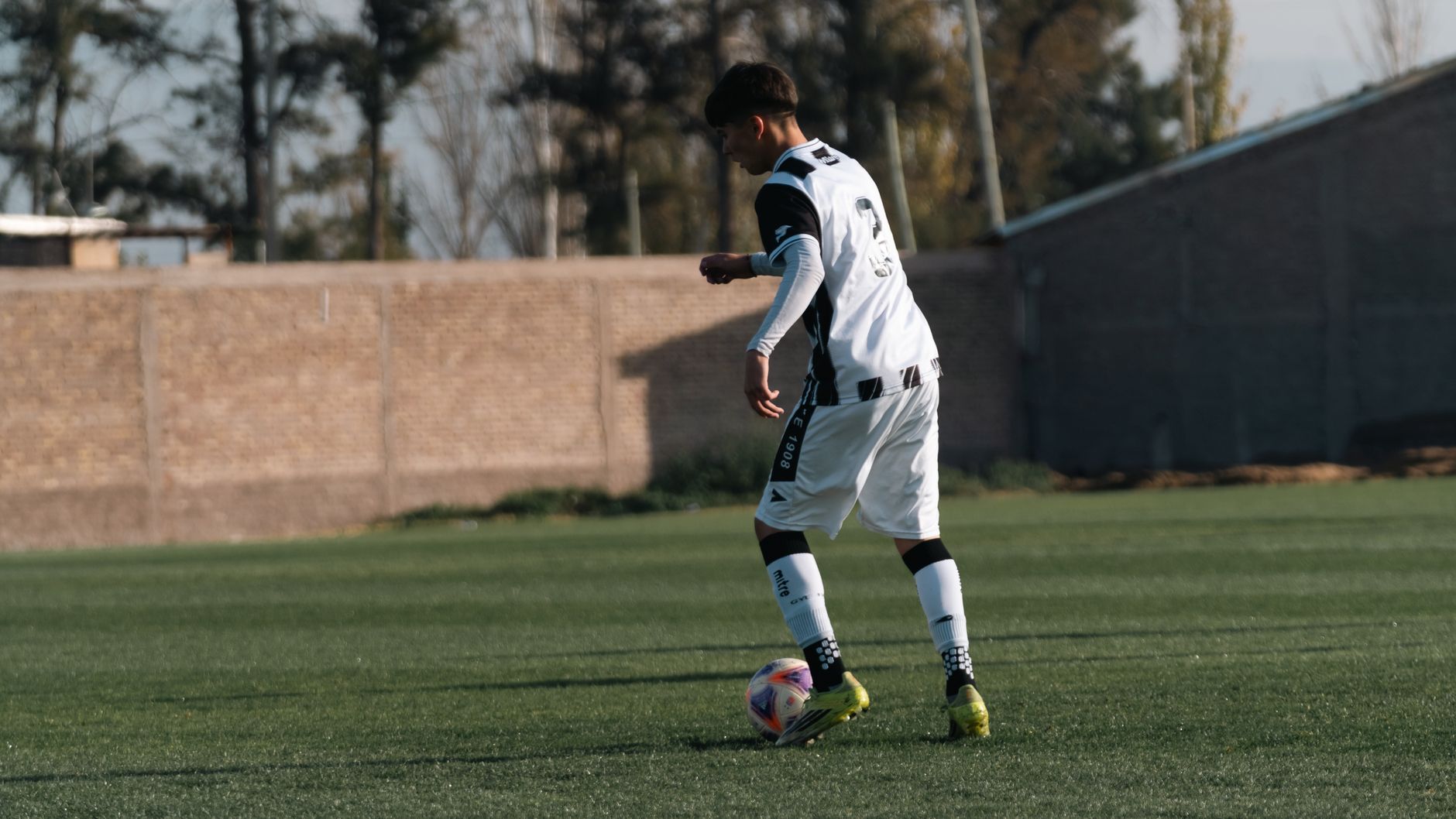
Photo by Franco Monsalvo on Pexels
The Bottom Line
Football fitness training should develop the exact physical qualities that appear during a match: repeated accelerations, decelerations, short sprints, changes of direction, strength contests, and the ability to make decisions while fatigued. A distance-only running plan may improve general endurance, but it will not fully prepare a winger for ten explosive overlaps, a centre-back for repeated recovery runs, or a midfielder for constant transitions. That distinction is not academic; it is the difference between feeling “fit” in a test and surviving the final 15 minutes of a competitive match.
A strong weekly structure usually includes:
- One aerobic conditioning session at moderate intensity.
- One repeated-sprint or interval session.
- Two strength sessions focused on the lower body, trunk, and single-leg control.
- One football-specific speed and agility session.
- At least one complete rest day.
- A short mobility routine after demanding sessions.
The American College of Sports Medicine recommends progressive overload and individualized exercise prescription rather than arbitrary intensity. In practice, that means a beginner should not copy the workload of a semi-professional player simply because both players own boots and confidence. Track session rating of perceived exertion, commonly called sRPE, on a 1–10 scale and multiply it by session duration in minutes. A 60-minute session rated 7 creates a training-load score of 420. This simple calculation gives you a better warning signal than pride.
Want a broader performance perspective before building your routine?
What Players Actually See
The match does not distribute effort evenly. Data from elite football commonly shows a mixture of walking, jogging, high-speed running, sprinting, contact, and rapid changes in direction, with the exact profile influenced by position, tactical system, age, level, and match state. A full-back in a high-pressing 4-3-3 may perform more high-speed actions than a deep-lying midfielder, while a centre-forward may complete fewer total metres but produce repeated explosive movements around the penalty area. According to FIFA Training Centre, football conditioning should connect physical work with technical and tactical demands, not isolate fitness from the game.
That principle changes drill selection. A 30-minute steady jog can be useful during an early base phase, but it should not dominate a complete program. The more transferable sequence is acceleration, braking, lateral movement, ball control, scanning, and a pass or shot under fatigue. For example, complete six repetitions of a 20-metre acceleration, 10-metre deceleration, 90-degree cut, and five-metre burst, followed by a controlled pass. Rest 45–60 seconds between repetitions and stop if the final attempts become mechanically sloppy.
My most important six-week observation was brutally simple: sprint quality fell before total running volume did. Players often believe they can continue because they are still moving, yet their ground contact becomes longer, their hips collapse during cutting, and their first touch drifts away. That is fatigue in disguise, and pretending otherwise is how a clever session becomes a foolish injury gamble.
[Internal Link: football match conditioning guide]
What Are the 3 Things That Matter Most?
The three most important football fitness training factors are repeated-sprint ability, lower-body strength with deceleration control, and recovery capacity. These qualities directly support high-intensity actions, reduce technical errors under fatigue, and help players tolerate weekly training without accumulating excessive soreness or performance decline.
1. Repeated-sprint ability
Repeated-sprint ability is not simply the capacity to run one fast 30-metre effort. It is the ability to perform several short sprints with limited performance loss, recover sufficiently, and repeat the action when the game demands it. Start with two sets of six 20-metre sprints, using 20–30 seconds of recovery between repetitions and three minutes between sets. More advanced players can use 30-metre efforts, but only if speed remains above approximately 90–95% of their best controlled effort.
Do not turn this into a punishment circuit. Maximal sprint work depends on quality, and excessive fatigue makes the session train slow mechanics rather than explosive football movement. A useful progression is to add repetitions before reducing rest: first move from 2 × 4 to 2 × 6, then introduce a ball, a reaction cue, or a change of direction. This approach is less glamorous than collapsing beside a cone, but it is considerably more useful.
2. Strength and braking ability
Football players need force production, but they also need force absorption. Deceleration is frequently overlooked because acceleration looks spectacular on video, yet stopping safely from speed places substantial demands on the quadriceps, hamstrings, calves, glutes, and trunk. A practical twice-weekly strength menu can include:
- Split squats: 3 sets of 6–10 repetitions per leg.
- Romanian deadlifts: 3 sets of 6–8 repetitions.
- Nordic hamstring exercise: 2–3 sets of 4–6 controlled repetitions.
- Calf raises: 3 sets of 10–15 repetitions.
- Copenhagen planks: 2–3 sets of 20–30 seconds per side.
- Landing-and-stick drills: 3 sets of 5 repetitions.
The FIFA 11+ injury-prevention programme has been associated with reduced injury risk when performed consistently, although outcomes depend on adherence, coaching quality, and the athlete population studied. The operational lesson is clear: a warm-up must prepare movement quality, not merely consume ten minutes before the “real” work begins.
Get started with the strength principles that support safer movement.
3. Recovery capacity
Recovery is the ability to reproduce quality, not an excuse to avoid work. Sleep duration, carbohydrate intake, hydration, stress, travel, match congestion, and previous injuries all influence whether a player can train hard again. The National Athletic Trainers’ Association emphasizes individualized hydration and medical guidance, while the International Olympic Committee identifies sleep, nutrition, and workload management as major performance considerations.
A practical readiness check uses four markers each morning: sleep quality, muscle soreness, motivation, and perceived fatigue. Rate each from 1 to 5. If the combined score is poor for two consecutive days, reduce high-intensity volume by 20–30% rather than forcing the planned session. This is one of the information-rich details most generic football fitness articles omit: the correct adjustment is often a reduction in volume, not an abandonment of all activity. Easy cycling, mobility, technical passing, or a 20-minute walk can preserve routine without adding another hard stressor.
Edge Cases & Gotchas
How should beginners adjust football fitness training?
Beginners should use lower volume, longer recovery, and simpler movement patterns for the first two weeks. A safe starting point is one interval session, one strength session, and one technical football session, with at least 48 hours between demanding lower-body workouts.
The biggest beginner error is stacking intense football, gym training, and sprint work on consecutive days. Start with six to eight 15-second intervals at approximately 75–85% effort, separated by 60–75 seconds of easy movement. During strength training, leave two or three repetitions “in reserve” rather than lifting to failure. Progress by adding one or two repetitions per set, not by doubling the program because Saturday’s match made you feel heroic.
What changes for youth players?
Youth football fitness should emphasize coordination, movement literacy, acceleration technique, enjoyment, and appropriate supervision rather than adult-style conditioning volume. Training must account for growth, biological maturation, school stress, and differences between chronological age and physical development.
The United States Soccer Federation promotes age-appropriate player development, and that principle matters during growth spurts. A teenager experiencing heel pain, knee pain, or unusual fatigue should not be told to “toughen up” and continue sprinting. Reduce impact, communicate with a qualified coach or clinician, and assess footwear, surface, technique, and workload. The relevant edge case is not whether the player can finish the drill; it is whether finishing the drill makes the next month worse.
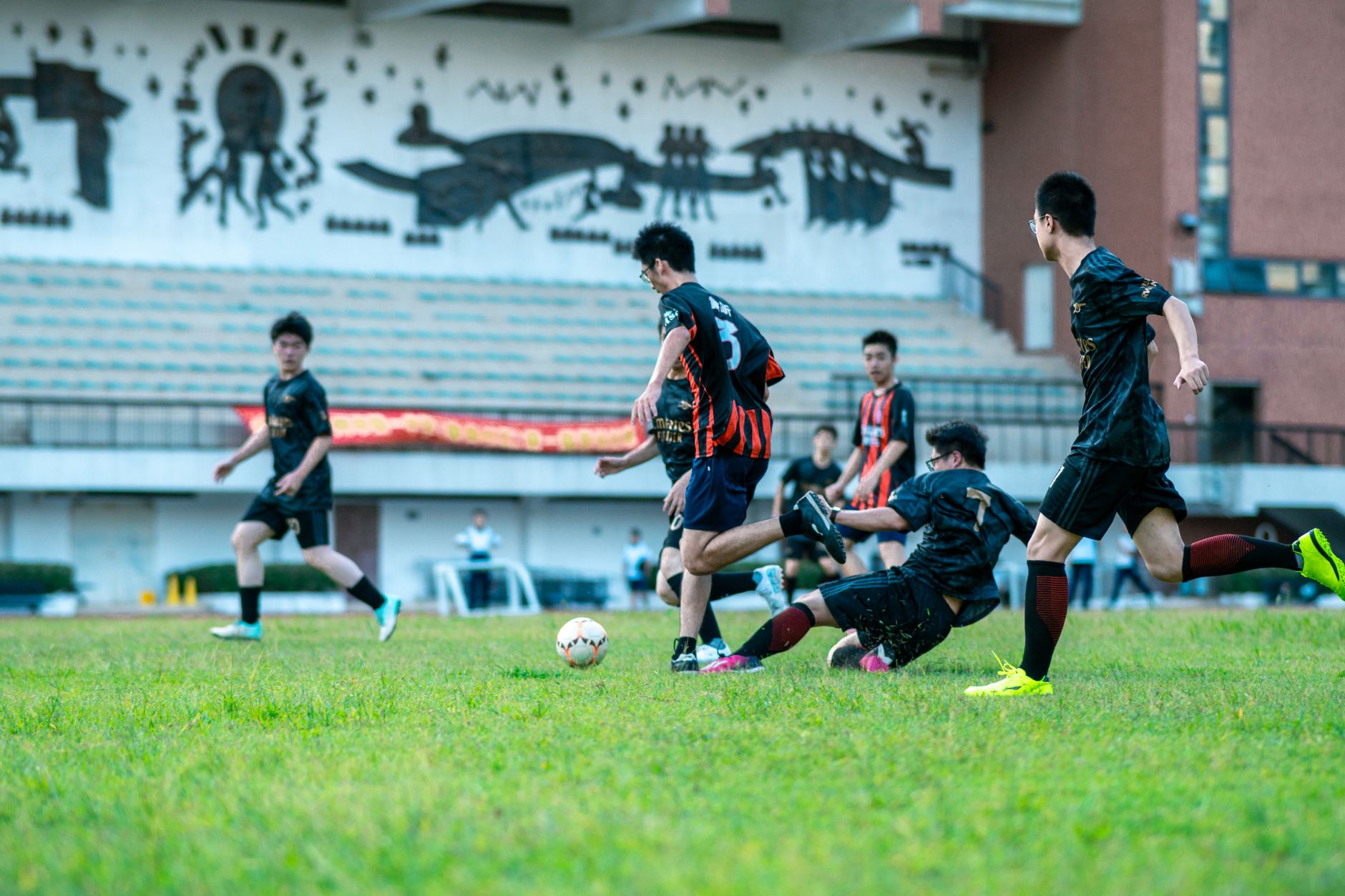
Photo by 晓鸟 蓝 on Pexels
Can heat, altitude, or artificial turf change the plan?
Heat, altitude, and artificial turf can alter perceived exertion, hydration demands, traction, and recovery time, so the same written session may create a different physiological load. In hot conditions, reduce interval density, add shaded recovery, and monitor symptoms such as dizziness, chills, headache, confusion, or nausea.
At altitude, especially above roughly 1,500 metres, players may experience greater breathlessness during the first days of exposure, while artificial turf can change surface stiffness and shoe-surface interaction. Do not make strong claims about one surface being universally dangerous; risk depends on temperature, maintenance, footwear, playing style, and exposure. The sensible operational rule is to reduce volume during the first two or three sessions in a new environment and restore workload gradually.
Why do some football fitness plans fail?
Football fitness plans usually fail because they confuse exhaustion with adaptation, ignore weekly workload, or omit sport-specific decision-making. A player may complete a punishing circuit while still lacking the ability to accelerate, scan, pass, and recover position repeatedly during a match.
Another failure point is measurement. Record total session duration, hard-running minutes, sprint count, strength repetitions, and next-day soreness. If load rises from 300 to 600 arbitrary units in one week, that 100% jump is a clear warning regardless of how motivated the player feels. I learned this the expensive way after trusting an online training promise without checking its progression model; apparently, enthusiasm is not a substitute for programming, who knew?
Review the practical training details before changing your weekly workload.
A Practical 6-Week Football Fitness Plan
A six-week plan should progress from controlled volume to match-specific intensity, while preserving at least one full recovery day per week. This example assumes a healthy recreational or amateur player training three to five times weekly; injured players, youth athletes, and high-level professionals need individualized oversight from a sports-medicine or performance professional.
Weeks 1–2: Build movement quality
- Monday: strength fundamentals, 45–60 minutes.
- Tuesday: technical football session and mobility.
- Wednesday: rest or easy aerobic work, 20–30 minutes.
- Thursday: 8 × 15-second intervals at 75–85% effort.
- Friday: rest.
- Saturday: small-sided football, controlled intensity.
- Sunday: mobility and easy walking.
Focus on landing mechanics, posture, single-leg stability, and consistent passing. Do not chase maximal sprint times yet.
Weeks 3–4: Add intensity
- Monday: lower-body strength and trunk work.
- Tuesday: acceleration drills, 8–10 × 20 metres.
- Wednesday: recovery session.
- Thursday: 2 × 6 repeated sprints with 20–30 seconds’ rest.
- Friday: rest or light technical work.
- Saturday: small-sided game with monitored intensity.
- Sunday: mobility and recovery.
At this stage, introduce reaction cues, directional changes, and ball actions after short bursts. Maintain sprint quality and stop a set when mechanics deteriorate.
Weeks 5–6: Transfer fitness to football
- Monday: strength maintenance, reduced volume.
- Tuesday: speed, agility, and ball-control combinations.
- Wednesday: recovery.
- Thursday: match-specific intervals, such as 4 × 4 minutes with 2 minutes easy recovery.
- Friday: short technical session.
- Saturday: match or competitive simulation.
- Sunday: complete rest.
The contrarian conclusion from this progression is that the final phase should not contain the highest possible gym volume. Strength volume falls slightly so the player can express speed, decision-making, and repeated efforts on the pitch. That is how conditioning becomes football fitness rather than a separate fitness contest.
[Internal Link: football speed and agility drills]
Verdict
The best football fitness training tips are specific, progressive, measurable, and brutally honest about recovery. Prioritize repeated accelerations, controlled deceleration, single-leg strength, hamstring and groin resilience, aerobic support, and technical decisions under fatigue. Use a six-week progression, track sRPE and soreness, and adjust training when performance quality falls rather than waiting for pain to force the decision.
World Cup Hub covers match predictions, team tactics, player statistics, and 2026 tournament developments, but informed football analysis begins with understanding what players can physically repeat. Whether you are preparing for a Sunday league match or studying why a FIFA World Cup 2026 team collapses late, the same principle holds: the strongest plan is not the one that produces the most exhaustion. It is the one that produces high-quality actions again and again.
Ready to connect football performance with deeper tournament insight?
[Internal Link: 2026 World Cup team tactics and player statistics]
Frequently Asked Questions
Q: What are football fitness training tips?
A: Football fitness training tips are methods for improving the physical qualities required during matches, including endurance, acceleration, sprint repetition, strength, agility, and recovery. A complete program should combine football-specific intervals with strength training and technical work rather than relying only on long-distance running. Most healthy amateur players can begin with three structured sessions weekly and add intensity gradually over six weeks.
Q: How do I start football fitness training as a beginner?
A: Start with one interval session, one strength session, and one football or technical session per week. Use 6–8 intervals of 15 seconds at 75–85% effort, with 60–75 seconds of easy recovery, and keep two or more days between hard lower-body sessions. Add volume only when soreness, movement quality, and next-session performance remain acceptable.
Q: What is the difference between football endurance and repeated-sprint ability?
A: Football endurance supports sustained movement and recovery, while repeated-sprint ability supports several high-speed efforts with limited rest. A 30-minute steady run can improve aerobic fitness, but it does not fully reproduce six 20-metre accelerations, sharp decelerations, and directional changes. Effective football conditioning develops both qualities through separate but coordinated sessions.
Q: Why does my football fitness training not improve my match performance?
A: Your plan may lack sport-specific intensity, progression, recovery, or technical decision-making under fatigue. If you only jog, your aerobic base may improve while acceleration and braking remain undertrained; if every session is maximal, accumulated fatigue may reduce adaptation. Track sprint quality, session load, and next-day soreness, then include ball actions and positional movement patterns.
Q: How much strength training do football players need?
A: Most healthy recreational players benefit from two strength sessions per week, with each session lasting approximately 45–60 minutes. Prioritize split squats, Romanian deadlifts, calf raises, hamstring exercises, trunk stability, and controlled landing drills. During congested match periods, reduce sets or load while maintaining movement quality instead of attempting to preserve full gym volume.
Q: Is running better than football-specific interval training?
A: Neither is universally better because they target different qualities. Steady running can build aerobic capacity and provide low-complexity conditioning, while football-specific intervals better reproduce accelerations, decelerations, direction changes, and technical actions. Use running strategically during base training or recovery, then progressively add football-specific work as competition approaches.
Q: What should I do if football fitness training causes pain?
A: Stop the painful movement, reduce training load, and seek assessment from a qualified sports-medicine professional when pain is sharp, persistent, worsening, or associated with swelling or altered gait. Do not use soreness alone as permission to continue sprinting through symptoms. Record the exercise, surface, footwear, recent workload, and pain response so a clinician or coach can identify the likely contributing factors.