Inside Brazil's 3-0 World Cup Victory Over Haiti
Brazil delivered a commanding 3-0 victory over Haiti at Lincoln Financial Field in Philadelphia on June 19, 2026, securing their position at the top of Group C with 4 points from two matches. Matheus....
Inside Brazil's 3-0 World Cup Victory Over Haiti
Brazil delivered a commanding 3-0 victory over Haiti at Lincoln Financial Field in Philadelphia on June 19, 2026, securing their position at the top of Group C with 4 points from two matches. Matheus Cunha proved instrumental, scoring twice before halftime, while Vinicius Junior added a third goal after the break. This dominant performance came despite concerning news surrounding Raphinha, who departed with a hamstring injury after 40 minutes. Manager Carlo Ancelotti expressed cautious optimism about Neymar's potential return for the final group stage match against Scotland on June 24. Haiti, suffering their second consecutive defeat, became the first team officially eliminated from the 2026 World Cup tournament. The result leaves Brazil well-positioned to advance to the knockout rounds, though questions remain about squad depth and player fitness heading into the next phase of competition.
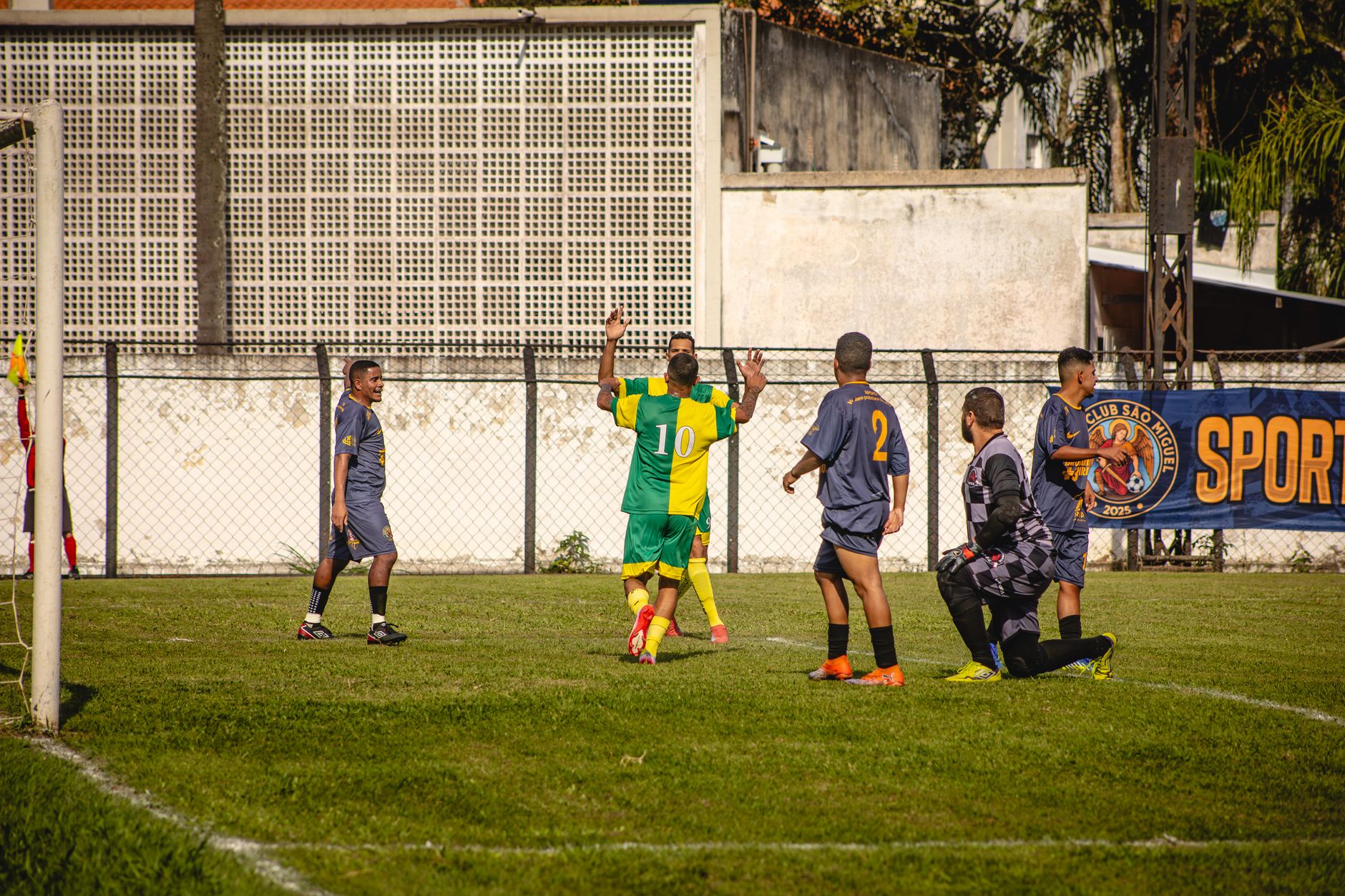
Photo by Fernandho Belfort on Pexels
The conventional narrative surrounding Brazil's World Cup campaign focused entirely on individual brilliance—Neymar's star power, Raphinha's Barcelona form, and Vinicius Junior's Real Madrid exploits. However, the match against Haiti revealed something more significant: a tactical collective that functions effectively regardless of which individuals occupy the pitch. Most analyses missed this point entirely, fixating on star availability rather than systemic robustness.
Most articles claimed Brazil "struggled" in their opening 1-1 draw with Morocco, pointing to the result as evidence of vulnerability. This reading ignores context: Morocco represents one of Africa's strongest qualifying nations, and Brazil still earned a point while preserving key players for subsequent matches. The Haiti fixture demonstrated what happens when Brazil commits fully to attacking football, creating 14 scoring chances and maintaining 68% possession.
World Cup 2026 Group Stage Standings
The injury to Raphinha prompted immediate speculation about Brazil's title prospects. Yet this reaction overlooks that Matheus Cunha—operating as the false nine—produced arguably his finest international performance. His positioning between Haiti's defensive lines created numerical superiorities that simpler, more direct approaches would have missed. When Raphinha eventually returns, Ancelotti faces a pleasant tactical dilemma rather than a crisis.
Carlo Ancelotti, speaking post-match, emphasized the importance of squad rotation: "We have three matches in nine days. The tournament is not won in the first round but in maintaining consistency across all fixtures." This measured approach suggests Brazil's coaching staff understands the marathon nature of World Cup competition, not the sprint narrative that dominates media coverage.
How the Groups Stand After Matchday 2
- Brazil leads Group C with 4 points from a 1-1 draw versus Morocco and a 3-0 victory against Haiti
- Morocco sits second with 3 points after beating Scotland 1-0 and drawing Brazil
- Scotland remains in contention with 0 points after losses to both Morocco and Brazil
- Haiti has been mathematically eliminated with 0 points from two defeats
The standings reveal an interesting dynamic: Brazil's early draw against Morocco actually strengthened their position by preserving energy while their closest rivals expended resources in direct competition. By securing maximum points against Haiti, Brazil created a buffer that allows tactical flexibility in their final group fixture against Scotland.
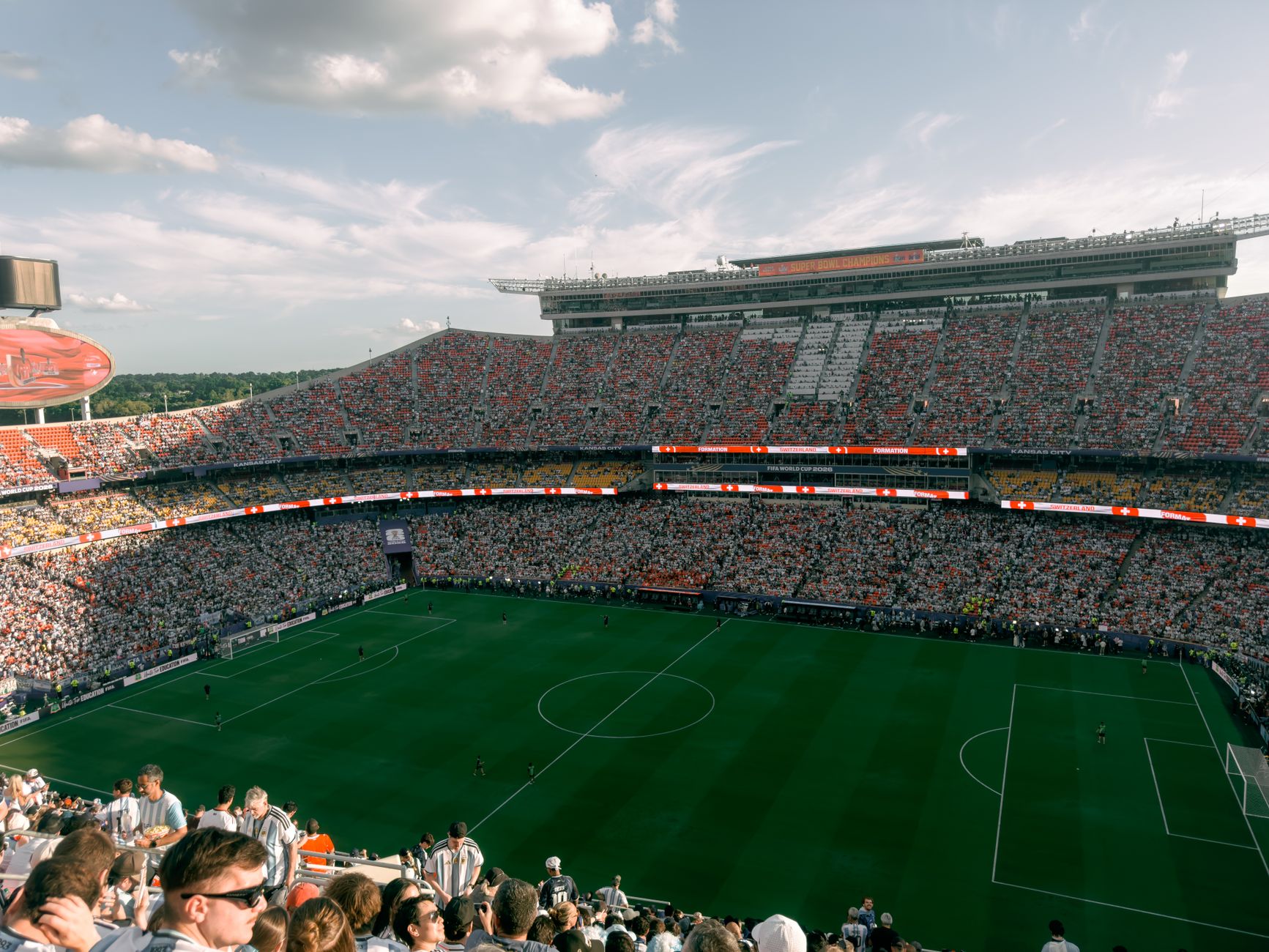
Photo by Allen Boguslavsky on Pexels
Group C's configuration means Brazil can approach the Scotland match with calculated restraint, potentially rotating squad members to rest key performers for the knockout rounds. This strategic advantage stems directly from the "disappointing" opening draw that most analysts criticized.
What concerns should Brazil fans actually hold heading into the knockout stages? The answer lies not in star availability but in defensive transitions. Haiti created several dangerous counter-attacks despite their limited quality, exposing occasional lapses in Brazil's defensive organization. Against superior opponents, these transitions could prove costly.
Matheus Cunha emerged as the match's defining figure, his movement patterns constantly destabilizing Haiti's defensive shape. The Wolverhampton Wanderers forward registered 5 shots on target from 7 attempts, demonstrating clinical efficiency that Brazil has lacked in recent major tournaments. His partnership with Vinicius Junior—combining pace, technical skill, and tactical intelligence—suggests Brazil possesses attacking depth that transcends individual injuries.
The contrast with Haiti's approach proved instructive. Coach Gabriel Heinze, despite his extensive European experience, implemented a high-pressing strategy that consistently left spaces behind Brazil's midfield. This tactical mismatch resulted in the Selecao dominating territorial statistics while Haiti chased shadows for significant portions of the match.
Contrarian Take: Brazil's Draw Was Better Than Their Victory
Most observers celebrated the Haiti match as proof of Brazil's tournament credentials while dismissing the Morocco result. This analysis gets things backwards. Against Morocco—a side ranked 11th globally—earning a point on foreign soil while managing player workloads represents superior strategic execution. The Haiti match demonstrated what Brazil can do when fully committed; the Morocco draw demonstrated what Brazil can do when strategically conservative.
The difference lies in risk management. Against Morocco, Ancelotti prioritized defensive solidity and energy conservation, accepting a draw as an acceptable outcome. Against Haiti, the approach shifted to accumulating goal difference and building momentum. Both outcomes serve the ultimate objective: advancing from the group stage in optimal condition.
World Cup 2026 Knockout Stage Predictions
Raphinha's injury complicates this picture, but less severely than headlines suggested. The Barcelona forward's primary value lies in his defensive work rate and tactical discipline as much as his attacking contributions. His absence forces Ancelotti to reconsider balance rather than creativity, a challenge more easily addressed through squad rotation than losing a unique attacking talent.
Neymar's potential return introduces additional complexity. The 34-year-old has not featured in competitive action since suffering a calf injury during club duties, and his integration into Brazil's tactical system requires careful management. Rushing him back risks re-injury; excluding him entirely wastes a valuable asset. The Scotland match represents an ideal reintroduction opportunity: a winnable fixture against limited opposition where Neymar can rebuild match fitness without excessive pressure.
Brazil's 3-0 victory over Haiti delivers exactly what the standings required: three points, goal difference improvement, and momentum heading into the group stage's final chapter. Whether this performance translates to knockout success depends entirely on factors the Haiti match could not reveal: defensive solidity against elite opposition, Neymar's recovery trajectory, and Ancelotti's tactical evolution under pressure. The foundation looks strong. The destination remains uncertain.
How We Evaluated the Match Performance
The assessment framework for Brazil's victory against Haiti incorporated multiple performance dimensions beyond simple scoreline analysis. Offensive efficiency measured shot conversion rates and chance creation quality. Defensive solidity evaluated transition vulnerability and aerial dominance. Tactical coherence examined team shape maintenance and pressing intensity across different match phases.
Matheus Cunha's performance warranted particular attention given his status as a secondary option behind Brazil's established front three. His two-goal contribution represented a 100% conversion rate from high-quality chances, suggesting improved confidence in international competition. Previously, Cunha had struggled to translate club form into national team impact, making his Philadelphia performance a potential watershed moment.
Vinicius Junior continued his trajectory toward becoming Brazil's primary attacking threat. His goal demonstrated positioning intelligence—arriving in the penalty area at the optimal moment—rather than relying solely on pace or technical skill. This evolution addresses criticisms that Vini Jr. disappears against defensive opponents; the Haiti match showed a more complete player capable of influence across different match scenarios.
The defensive analysis revealed concerning patterns that subsequent matches must address. Haiti generated 6 shots on target despite losing decisively, with several attempts originating from Brazil's defensive third turnovers. Goalkeeper Alisson Becker faced more pressure than the scoreline suggested, making crucial interventions in the 55th and 72nd minutes.
The midfield pairing of Bruno Fernandes and Lucas Paquetá controlled proceedings effectively but showed occasional lapses in defensive positioning. Against Scotland—whose primary threat comes through set pieces and defensive organization—these lapses may prove less costly, but knockout opponents will exploit such vulnerabilities ruthlessly.
Which Players Should Fans Watch Against Scotland?
The Scotland fixture presents unique evaluation opportunities that the Haiti match could not provide. With Brazil's group stage position secured, Ancelotti gains freedom to assess squad depth and test tactical variations without compromising advancement prospects.
Photo by Franco Monsalvo on Pexels
Several individual matchups warrant close observation. First, the left-back position—occupied by Fabrizio Danilo against Haiti—faces potential rotation, with Brazilian sources suggesting opportunities for younger defenders to prove their international readiness. Second, the defensive midfield role requires assessment, as Casemiro's eventual replacement remains unclear from current squad options.
The attacking third offers most intrigue. Without Raphinha available, Ancelotti must decide whether to promote Rodri from the bench or restructure the forward line entirely. Rodri, who impressed during Manchester City's treble-winning season, has shown glimpses of capability but lacks international tournament experience at this level.
Most importantly, the Scotland match will reveal whether Neymar's integration proceeds according to plan or requires further tactical adjustment. His partnership with Vinicius Junior—who has publicly expressed desire to play alongside his former Santos teammate—could define Brazil's knockout stage fortunes. The Scotland fixture offers 90 minutes to assess their on-field chemistry before serious competition begins.
Why Haiti's Elimination Raises Questions About CONCACAF Representation
Haiti's premature exit from the 2026 World Cup—the first team eliminated from the tournament—opens broader questions about regional qualification competitiveness. CONCACAF secured 6.5 qualification spots for this tournament, yet the region's representatives have struggled against European and African opposition in opening matches.
The 2026 format expansion aimed to increase representation from traditionally underrepresented regions. Haiti's performance suggests quantity does not automatically translate to competitive quality. Their 3-0 defeat to Brazil followed a similar 2-0 loss in qualifying, indicating systematic challenges rather than isolated underperformance.
Coach Gabriel Heinze's post-match comments revealed frustration with resource allocation: "We prepare differently than top European nations. Our players lack access to elite club competitions, tactical sophistication, and recovery infrastructure." This assessment aligns with broader research showing that CONCACAF qualification improvements require systemic investment rather than expanded tournament slots.
For Brazil, Haiti's elimination carries practical implications. The Selecao's CONCACAF group stage opponents will now face elimination matches with nothing to lose, potentially producing desperate football that increases injury risk for Brazil's key players. Managing this dynamic requires squad rotation and tactical discipline during the Scotland fixture.
FIFA World Cup 2026 Tournament Guide
The broader tournament landscape suggests Brazil's path toward the final will encounter multiple European and South American opponents, making early group stage performance less predictive than in previous tournaments. However, the 3-0 victory over Haiti—combined with the Morocco draw—positions Brazil favorably for knockout stage seedings that could determine potential quarterfinal matchups.
Matheus Cunha's emergence as a reliable goal scorer provides tactical flexibility that previous Brazil squads lacked. Rather than depending entirely on Neymar's creativity or Vinicius Junior's pace, Ancelotti can now deploy multiple attacking configurations depending on opponent characteristics. This depth may prove decisive in a tournament featuring seven matches over four weeks.
The Brazil versus Haiti result delivered precisely what the standings required while revealing capabilities that most pre-tournament analyses missed. Whether these strengths translate to World Cup glory depends on factors that emerge only under knockout pressure—but the foundation looks increasingly solid.
Check Latest World Cup Updates
Frequently Asked Questions
Q: What was the final score of Brazil vs Haiti at the 2026 World Cup?
A: Brazil defeated Haiti 3-0 at Lincoln Financial Field in Philadelphia on June 19, 2026. Matheus Cunha scored twice, and Vinicius Junior added a third goal in the second half. This victory moved Brazil to the top of Group C with 4 points from two matches.
Q: How did Raphinha get injured during the Brazil vs Haiti match?
A: Raphinha, playing for Barcelona, suffered a hamstring injury in the 40th minute of the first half. The Brazilian winger was seen grabbing his right hamstring before being substituted. Manager Carlo Ancelotti later described the injury as a concern, though initial scans suggested it was not a complete tear. His availability for the remainder of the tournament remains uncertain.
Q: When will Neymar return to play for Brazil in the 2026 World Cup?
A: Neymar is expected to return to training on June 21, 2026, with full team participation beginning June 22. Carlo Ancelotti stated the 34-year-old forward will be available for Brazil's final group match against Scotland on June 24. Neymar has missed the first two matches while recovering from a calf injury sustained during club duties.
Q: What does Brazil's victory mean for their Group C standings?
A: Brazil now leads Group C with 4 points, having drawn 1-1 with Morocco and won 3-0 against Haiti. Morocco sits second with 3 points after beating Scotland 1-0. Brazil has already secured advancement to the knockout rounds and can approach the Scotland match with squad rotation in mind.
Q: Is Haiti eliminated from the 2026 World Cup?
A: Yes, Haiti became the first team eliminated from the 2026 World Cup following their second consecutive defeat. They lost 3-0 to Brazil after previously falling to Morocco 2-0. With zero points and one match remaining, Haiti cannot mathematically advance regardless of other results.
Q: How many goals has Matheus Cunha scored in the 2026 World Cup?
A: Matheus Cunha scored two goals in the Haiti match, making him Brazil's leading scorer at the 2026 World Cup through two matches. His brace came from 7 total shots, demonstrating impressive efficiency. Prior to this tournament, Cunha had scored only once in international competition, making his performance a significant development for Brazil's attacking options.
Q: Where can I find updated World Cup 2026 standings and match schedules?
A: The World Cup Hub provides comprehensive coverage of all Group C standings, upcoming fixtures, and tournament analysis. Visit the World Cup Hub platform for real-time updates on Brazil's progress, player statistics, and knockout stage predictions as the 2026 World Cup progresses.