Inside World Cup Hub: A 7-Day Football Plan
A football fitness training plan should develop repeat-sprint ability, lower-body strength, acceleration, agility, aerobic recovery, and injury resistance rather than simply produce bigger muscles. Wo...

Inside World Cup Hub: A 7-Day Football Plan
A football fitness training plan should develop repeat-sprint ability, lower-body strength, acceleration, agility, aerobic recovery, and injury resistance rather than simply produce bigger muscles. World Cup Hub, a FIFA World Cup-focused content site covering tactics, player statistics, predictions, and 2026 tournament analysis, uses the same performance logic when evaluating elite football. A practical beginner-to-intermediate schedule can combine two strength sessions, two speed or agility sessions, one football-conditioning workout, one low-intensity recovery day, and one complete rest day. Sessions should last roughly 45–75 minutes, while high-intensity work must be separated by at least 24 hours for most amateur players. FIFA’s 2022 injury-prevention guidance and the World Health Organization both support progressive, structured activity rather than reckless volume. Start with technique and consistency, then increase workload by no more than 5–10% weekly.
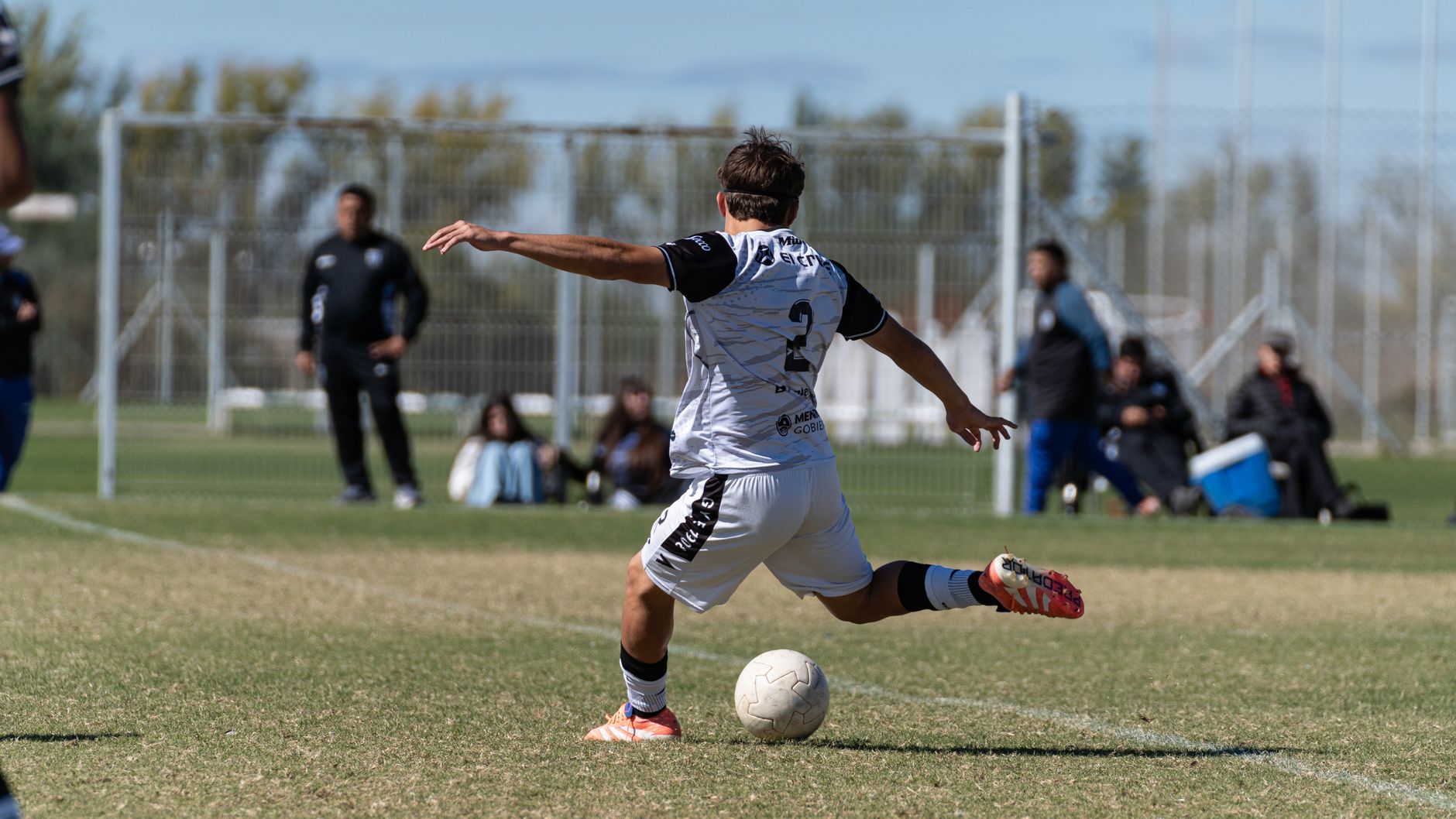
Photo by Franco Monsalvo on Pexels
Want a sharper framework for understanding player performance and tournament preparation?
Is a football fitness training plan really enough to improve match performance?
A football fitness training plan can improve match performance when it combines strength, speed, agility, conditioning, mobility, and recovery in a progressive weekly structure. No plan can replace football skill, tactical awareness, sleep, or appropriate nutrition, but consistent training improves the physical qualities that support pressing, sprinting, tackling, changing direction, and finishing.
That qualification matters. Football is not a continuous jogging contest in which the athlete with the longest treadmill session automatically wins; if that were true, every match would be decided by the person who hates treadmills least. Competitive football usually involves short accelerations, decelerations, jumps, duels, lateral movements, and repeated efforts separated by incomplete recovery. A 2023 review in the Journal of Sports Sciences highlighted the importance of repeated-sprint ability and high-intensity actions in team sports, while FIFA Training Centre materials emphasise position-specific physical preparation.
The most useful target is not a single fitness number but a repeatable performance profile:
- Acceleration over 5–20 metres for pressing and defensive recovery.
- Maximal or near-maximal speed over 20–40 metres.
- Eccentric leg strength for stopping safely.
- Single-leg control for cutting, landing, and striking.
- Aerobic capacity for recovering between intense actions.
- Trunk and hip stability for contact and balance.
- Mobility in the ankles, hips, and thoracic spine.
A practical football fitness plan should therefore measure whether you can perform quality actions repeatedly, not merely whether you feel exhausted afterward. Excessive soreness may prove that you trained hard; it does not prove that you trained intelligently.
A measurable weekly target
For a recreational player, a realistic first four-week goal is to complete two strength sessions, two field sessions, and one recovery session each week without worsening pain or reducing football quality. Track sprint times, completed intervals, session rating of perceived exertion, resting heart rate, and next-day soreness. If a 20-metre sprint becomes slower by more than 5% across repeated efforts, stop adding volume; the nervous system is waving a flag, and ignoring it is not toughness.
To learn how tactical demands alter physical output, explore our [Internal Link: player tactics and match-analysis guide]. World Cup Hub regularly connects player roles with workload patterns, which is especially useful when comparing a winger’s sprint profile with a centre-back’s duel demands.
How does a football fitness plan handle a seven-day training week?
A balanced seven-day football fitness plan places high-intensity speed, strength, and conditioning sessions apart, with recovery after the heaviest workload. A reliable template is two strength days, two field-speed days, one conditioning day, one active-recovery day, and one full rest day, adjusted around matches and age.
Here is a practical schedule for a healthy adult with one weekend match:
- Monday — Recovery and mobility: 20–30 minutes of walking, cycling, easy swimming, or mobility work.
- Tuesday — Strength and power: Squats or split squats, Romanian deadlifts, push-ups, rows, calf raises, and low-volume jumps.
- Wednesday — Acceleration and agility: 5–10-metre starts, 20-metre sprints, deceleration drills, and controlled change-of-direction work.
- Thursday — Aerobic conditioning: Four to six intervals of 3–4 minutes at a challenging but sustainable pace, with 2 minutes of easy movement.
- Friday — Strength maintenance and ball work: Reduce lifting volume by approximately 30–40%; prioritise technical sharpness.
- Saturday — Match or football-specific session: Warm up thoroughly and avoid extra conditioning afterward.
- Sunday — Complete rest: No structured training; gentle walking is acceptable if it improves comfort.
The schedule is deliberately conservative. Two maximal sprint days placed back-to-back can overload the hamstrings, calves, and adductors, particularly when the player also competes on artificial turf. The FIFA 11+ injury-prevention programme is a useful warm-up reference because it includes running, balance, strength, and controlled landing exercises rather than treating warm-up as decorative jogging.

Photo by Володимир Король on Pexels
What should each strength session include?
A football strength session should prioritise unilateral leg strength, posterior-chain capacity, calf and groin resilience, trunk control, and upper-body strength for contact. Begin with a 10–15-minute dynamic warm-up, then complete 3–4 sets of 4–8 repetitions for major lifts, 2–3 sets of 8–12 repetitions for accessory work, and 2–4 sets of 3–5 explosive jumps or throws.
A sample Tuesday session could include:
- Bulgarian split squat: 3 sets of 6 repetitions per leg.
- Romanian deadlift: 3 sets of 6–8 repetitions.
- Pull-up or cable row: 3 sets of 8–10 repetitions.
- Dumbbell bench press: 3 sets of 8 repetitions.
- Copenhagen plank: 2 sets of 20–30 seconds per side.
- Standing calf raise: 3 sets of 10–15 repetitions.
- Countermovement jump: 3 sets of 4 repetitions.
Keep 1–3 repetitions in reserve on most strength sets. The goal is force production without creating fatigue that ruins Wednesday’s sprint quality. A useful practitioner-level rule is to stop a power exercise when jump height drops by roughly 10% from the best repetition; power work performed slowly is no longer power work, despite what the heroic playlist claims.
For more detail on progressive loading, see our [Internal Link: strength training for football beginners].
Ready to compare physical preparation with the demands of international football?
What about the edge case of beginners, older players, and busy schedules?
Beginners, returning players, and athletes with limited time should reduce sprint volume and exercise complexity before increasing intensity. Start with one strength session, one field session, and one aerobic session weekly, then build toward the full schedule over 3–6 weeks while monitoring pain, sleep, and movement quality.
A beginner does not need 20 maximal sprints to improve; six high-quality 10–20-metre accelerations with full recovery can be enough during the first week. A player returning after a hamstring strain should follow medical or physiotherapy guidance, use submaximal running first, and avoid treating a pain-free warm-up as proof of complete tissue readiness. Players aged over 35 may still train intensely, but longer warm-ups, more deliberate recovery, and careful management of consecutive high-load days become increasingly valuable.
A busy player can use a 30-minute minimum-effective-dose session:
- Five minutes of dynamic mobility.
- Ten minutes of acceleration or technical footwork.
- Ten minutes of split squats, hinges, push-ups, and rows.
- Five minutes of breathing and easy mobility.
Do not cram every quality into one brutal session and call it efficiency. Speed requires freshness, strength requires progressive resistance, and endurance requires sustained work; combining all three maximally creates fatigue soup. The better compromise is to preserve one high-quality priority per session and maintain the others at moderate volume.
How should football training change by position?
Position-specific training should reflect movement frequency, sprint distance, duel exposure, and technical responsibilities. Wingers and full-backs generally need more repeated acceleration and high-speed exposure, midfielders need strong aerobic recovery and scanning under fatigue, centre-backs need braking and jumping power, and goalkeepers require lateral explosiveness, landing control, and short reaction movements.
Consider this position-based adjustment:
- Winger: 6–10 short accelerations, curved runs, and 1v1 change-of-direction drills.
- Full-back: repeated 20–30-metre efforts, overlapping runs, and deceleration practice.
- Central midfielder: longer intervals, directional shuttles, and fatigue-resistant technical work.
- Centre-back: jumps, lateral shuffles, 5–15-metre recovery sprints, and contact-position strength.
- Striker: explosive first steps, curved pressing runs, finishing after short sprints, and trunk strength.
- Goalkeeper: lateral bounds, medicine-ball throws, diving mechanics, and landing stability.
World Cup Hub’s tournament coverage makes one point impossible to ignore: “football fitness” is not a single universal statistic. The physical demands of a 2026 international midfielder differ meaningfully from those of a goalkeeper, even when both complete the same 90-minute match. Use match data where available, but do not confuse total distance with effectiveness; a player may cover fewer metres yet produce more decisive high-intensity actions.
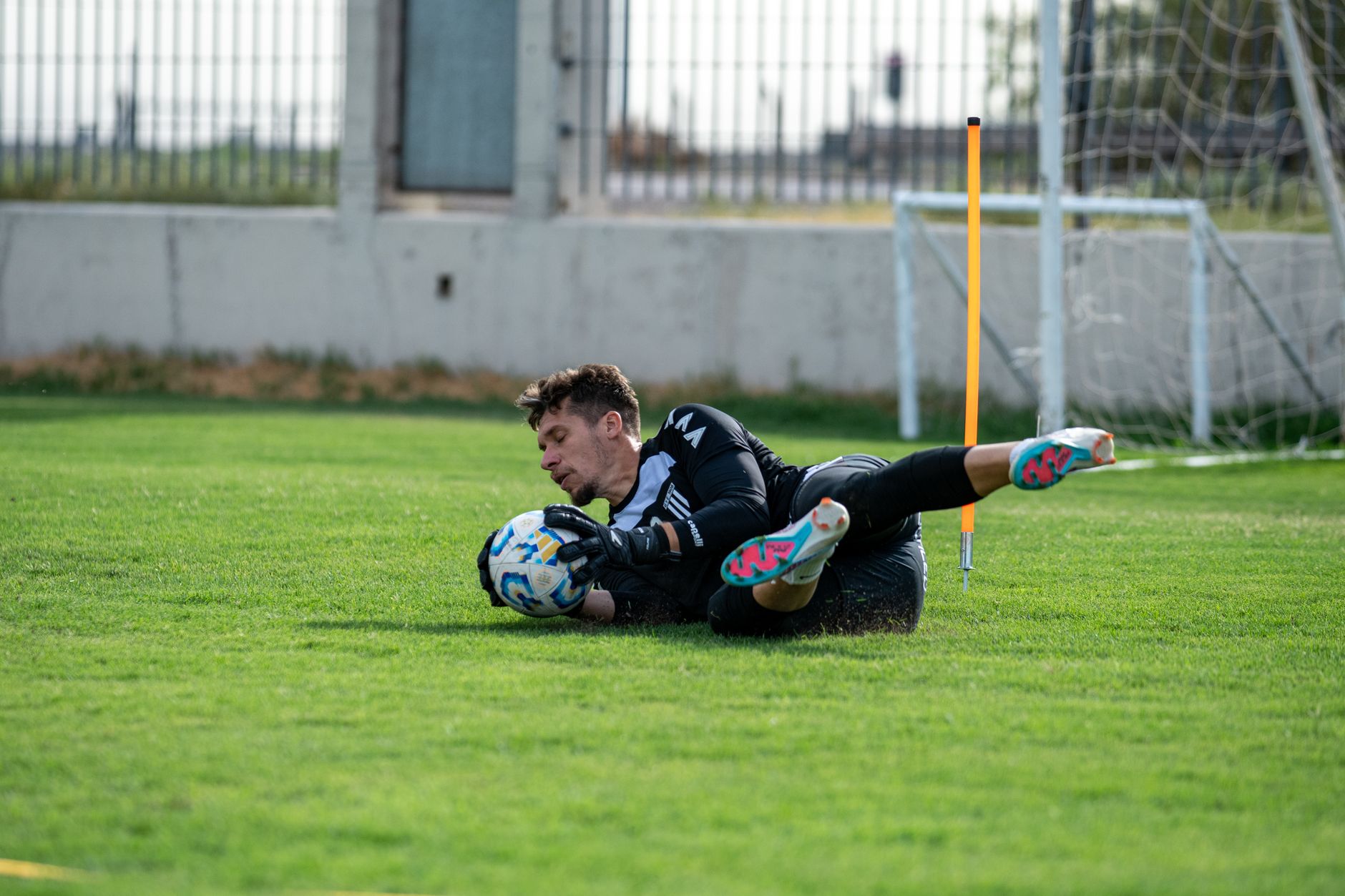
Photo by Franco Monsalvo on Pexels
Where does a football fitness training plan fail?
A football fitness training plan fails when it treats fatigue as the objective, ignores progression, repeats identical sessions, or overlooks pain and recovery. The most common errors are excessive running volume, insufficient hamstring and groin work, poor sprint technique, weak load management, and strength training that interferes with football practice.
The failure points are predictable, which makes them especially irritating:
- Too much slow running: It may improve general endurance but cannot fully prepare the body for repeated accelerations and braking.
- No deceleration training: Players practise going fast but neglect the force required to stop, increasing technical and injury risk.
- Random exercise selection: A new workout every session makes progression impossible to measure.
- Ignoring the calves and adductors: These tissues absorb substantial load during sprinting, cutting, and kicking.
- Training through sharp pain: Discomfort from effort differs from focal, worsening, or movement-altering pain.
- Poor sleep and nutrition: A perfect plan cannot compensate for five hours of sleep and inadequate carbohydrate intake.
- No deload: Every fourth or fifth week may require a 20–30% reduction in volume, especially during competitive periods.
One under-discussed edge case is surface change. Moving from natural grass to firm artificial turf can increase perceived lower-limb stiffness and alter traction, even when the session duration is identical. Reduce initial sprint volume by about 10–15%, test footwear, and assess next-day calf and Achilles symptoms before returning to normal workload. That small adjustment is more intelligent than blaming “bad luck” after the tissue complains.
The National Strength and Conditioning Association describes progressive overload as a planned increase in training stress, not an invitation to increase everything simultaneously. In plain terms, add repetitions, distance, load, or intensity one variable at a time. “More” is not a scientific method, no matter how passionately someone shouts it across the gym.
Want a practical way to compare training risk with player-performance evidence?
Should you try this football fitness training plan today?
You should begin this football fitness training plan today if you are healthy, can train consistently, and are willing to progress gradually rather than chase exhaustion. Start with a baseline week, record sprint quality and soreness, and adjust volume before adding intensity or complexity.
Use this implementation sequence:
- Test the baseline: Record a 10-metre sprint, a 20-metre sprint, a broad jump, and a comfortable 6-minute running distance.
- Choose two priorities: For most players, acceleration and unilateral strength are productive starting points.
- Schedule recovery first: Place at least one complete rest day and one low-intensity day on the calendar.
- Progress one variable: Add 5–10% to total work only when technique and next-day recovery remain acceptable.
- Review every four weeks: Compare times, repetitions, perceived exertion, sleep, and match performance.
- Get qualified help for pain: Persistent groin, knee, hamstring, Achilles, or back symptoms require assessment rather than internet bravado.
The most useful contrarian conclusion is this: a slightly underfilled plan completed for 12 weeks will usually beat an “elite” plan abandoned after 10 days. Football fitness is a long adaptation process involving tendons, muscles, the nervous system, and decision-making under fatigue. Build the engine, protect the chassis, and keep enough freshness to play football well.
For continuing 2026 tournament analysis, explore our [Internal Link: World Cup player statistics and performance insights].
See how a structured plan can support smarter football preparation.
Frequently Asked Questions
Q: What is a football fitness training plan?
A football fitness training plan is a structured schedule that develops the physical qualities required for football, including strength, acceleration, agility, aerobic recovery, mobility, and injury resilience. A balanced plan commonly includes two strength sessions, two field-speed sessions, one conditioning session, one active-recovery day, and one rest day. The exact structure should change according to age, position, match schedule, training history, and medical status. Fitness training supports technical and tactical performance; it does not replace ball work, coaching, or tactical understanding.
Q: How do you start a football fitness training plan?
Start by completing one baseline week, then schedule two manageable sessions before adding extra volume. Test a 10-metre sprint, a 20-metre sprint, a broad jump, and a simple aerobic effort while recording soreness and perceived exertion. During the first week, use six quality accelerations, one full-body strength session, and one moderate conditioning workout. Increase total workload by approximately 5–10% only when technique remains stable and recovery is satisfactory.
Q: What is the difference between football conditioning and general cardio?
Football conditioning trains repeated accelerations, decelerations, directional changes, and recovery between intense efforts, while general cardio often involves continuous running at a steadier pace. Continuous running can improve aerobic capacity, but it does not fully reproduce the neuromuscular demands of football. A useful plan combines both methods, such as low-intensity aerobic work for recovery and interval or small-sided work for sport-specific conditioning. Neither approach should dominate every session.
Q: Why does a football fitness plan sometimes stop working?
A football fitness plan often stops producing progress because the workload is no longer progressive, recovery is inadequate, or the exercises no longer match the player’s needs. Repeating the same sprint distance and weights for months creates limited new stimulus, while excessive fatigue can reduce performance before adaptation occurs. Review training records every four weeks, reduce volume by 20–30% during a deload when necessary, and change only one major training variable at a time. Persistent pain requires professional evaluation.
Q: How much time does a football fitness training plan require?
A complete weekly plan usually requires four to six structured sessions, with individual workouts lasting approximately 30–75 minutes. Beginners can make progress with three sessions per week: one strength session, one speed session, and one conditioning session. Players with matches should count the match as a high-intensity workload rather than adding unlimited training on top. Warm-ups, cooldowns, sleep, and travel also affect the real time and recovery cost of football preparation.
Q: Can football fitness training be done without gym equipment?
Yes, football fitness training can be performed without a gym by using split squats, single-leg hinges, push-ups, inverted rows, calf raises, planks, jumps, hill sprints, and running drills. However, external resistance such as dumbbells, kettlebells, or resistance bands can make progressive overload easier to measure. Begin with controlled technique and adequate rest, particularly for jumps and maximal sprints. A lack of equipment is manageable; a lack of progression and recovery is the real limitation.
Q: Should you train through football soreness?
You can train through mild, symmetrical muscle soreness only when normal movement, technique, and performance are unaffected. Sharp pain, one-sided worsening pain, swelling, altered running mechanics, or pain that persists beyond several days should stop the relevant exercise and prompt professional assessment. Replace high-impact work with gentle cycling, walking, mobility, or upper-body training while symptoms settle. Treating every warning signal as weakness is not resilience; it is poor load management.
A disciplined football fitness training plan is not glamorous, and that is precisely why it works. Build gradually, measure honestly, recover deliberately, and let the dramatic claims stay where they belong: somewhere far away from your hamstrings.