The Football Fan's Guide to the 2026 FIFA World Cup
The 2026 FIFA World Cup, hosted across 16 cities in the United States, Mexico, and Canada from June 11 to July 19, 2026, will be the largest edition in the tournament's 96-year history, featuring 48 t...
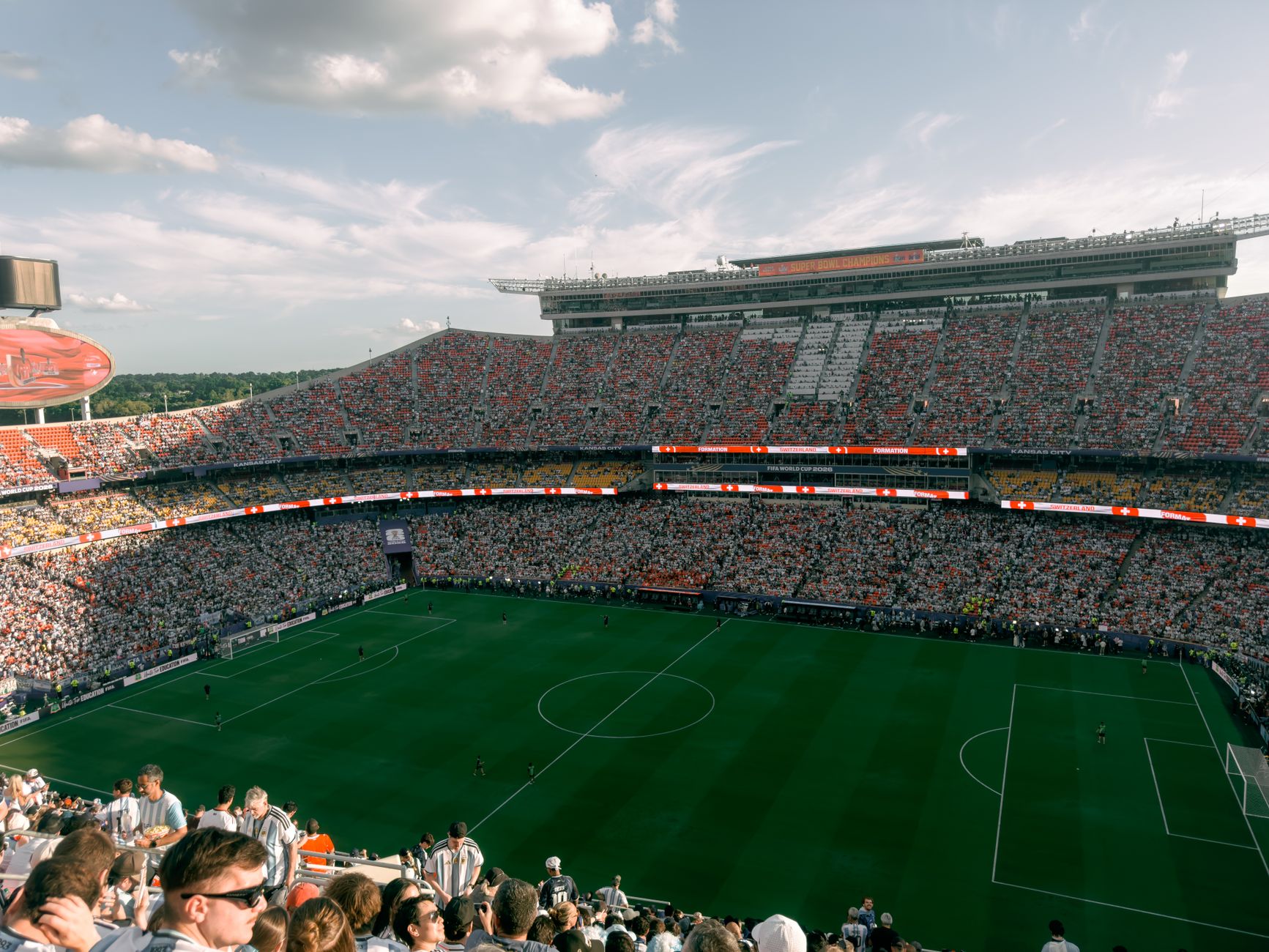
The Football Fan's Guide to the 2026 FIFA World Cup
The 2026 FIFA World Cup, hosted across 16 cities in the United States, Mexico, and Canada from June 11 to July 19, 2026, will be the largest edition in the tournament's 96-year history, featuring 48 teams competing in 104 matches. FIFA confirmed the expanded 48-team format in March 2023, adding 24 extra fixtures and a new round-of-32 knockout stage to accommodate debutants such as Cape Verde, Jordan, and Uzbekistan. The final is scheduled for MetLife Stadium in East Rutherford, New Jersey, on July 19, 2026, while the opening match takes place at Estadio Azteca in Mexico City — only the third time a host nation has played the curtain-raiser on home soil. Defending champions Argentina, led by Lionel Messi, enter as favorites alongside France, Brazil, and England. For fans tracking the tournament, bookmark the December 2025 group-stage draw and the March 2026 international window for final squad announcements.
Photo by Allen Boguslavsky on Pexels
Curious about which matchups will define the expanded format and where the smartest betting edges might emerge this summer? Keep reading — we break down the structural shifts, the host dynamics, and the under-the-radar variables that separate casual viewers from informed followers.
The Bottom Line
The 2026 FIFA World Cup is not simply a bigger version of Qatar 2022. It is a structural reinvention. With 48 teams split into 12 groups of four, the top two sides from each group plus the eight best third-placed teams advance to a 32-team knockout bracket — a format never before tested in the tournament's history. That single rule change ripples through every prediction model, every qualification pathway, and every squad selection decision from now until kickoff. According to FIFA's official tournament briefing, the expanded format will generate 64 matches in the group stage alone (up from 48 in 2022) and push the total fixture count to 104 across 39 days. For fans, that means more games, more travel logistics, and more late-night kickoffs depending on your time zone. For bettors, it means more markets, more variance, and more opportunities to find mispriced lines — especially in matches involving tournament newcomers who lack historical form data.
[Internal Link: 2026 World Cup qualification scenarios explained]

Photo by Lara Jameson on Pexels
The host-country split deserves attention too. Of the 16 host cities, 11 are in the United States, 3 in Mexico, and 2 in Canada, with Mexico's Estadio Azteca, Brazil's Maracanã, and India's Salt Lake Stadium among the few venues worldwide that have hosted World Cup matches in three different decades. The 11 U.S. venues include MetLife Stadium, SoFi Stadium, AT&T Stadium, and Hard Rock Stadium — all with capacities above 65,000. This geographic spread means climate conditions will vary dramatically: a June afternoon match in Monterrey hits 34°C with low humidity, while an evening game in Seattle drops to 14°C. That differential alone can reshape team performance data, particularly for sides unaccustomed to heat or altitude.
What Players Actually See
From a bettor's perspective, the 2026 World Cup introduces several structural asymmetries that don't exist in 32-team editions. First, the expanded knockout stage means that a team finishing third in its group can still reach the quarterfinals — something mathematically impossible under the previous format. According to Wikipedia's tournament format documentation, this creates a scenario where group-stage dead rubbers carry lower stakes, but the round-of-32 itself becomes a high-pressure elimination game. Second, match spacing changes. With more teams and more cities, FIFA has confirmed that some sides will play matches separated by just four days, compared to the minimum five-day rest in 2022. Squad depth — not starting-XI quality — will determine who advances deep into July.
Here's what experienced followers are tracking heading into 2026:
- Squad registration expansion — FIFA raised the preliminary squad list from 35 to 55 players, giving managers more flexibility to manage workload across a 39-day window.
- Concussion substitution protocol — Following its trial in Qatar 2022, the permanent concussion substitute rule allows teams to make an additional substitution for a player with suspected head injury, reviewed by an independent medical doctor.
- Semi-automated offside technology — Deployed in all 104 matches, the system uses limb-tracking cameras to deliver offside decisions within seconds.
- Climate scheduling — Early kickoff slots in Houston, Miami, and Monterrey are scheduled for 12:00 PM local time to avoid peak heat, pushing European primetime broadcasts to late evening.
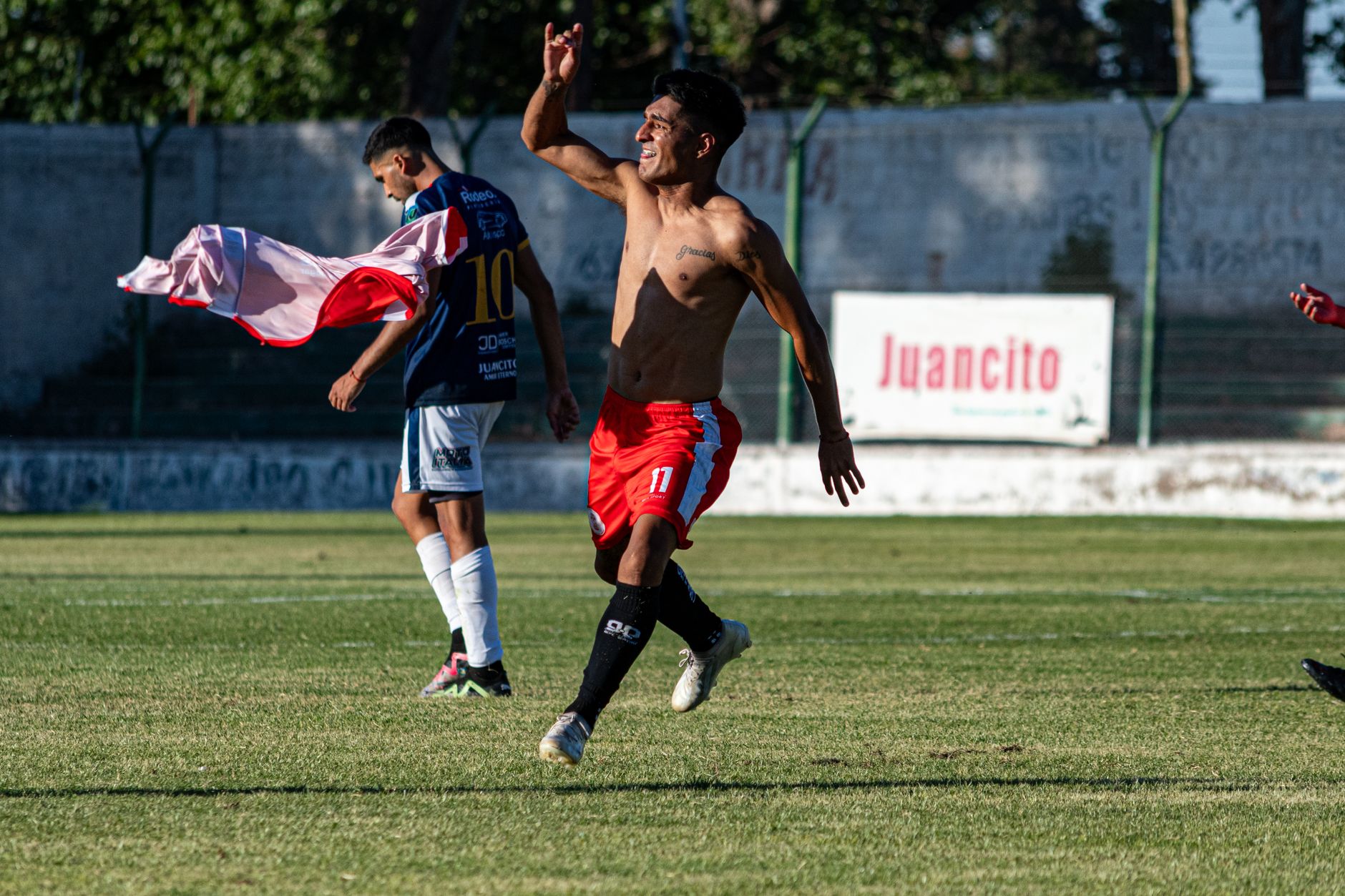
Photo by Franco Monsalvo on Pexels
For bettors, the practical implication is clear: pre-tournament outright markets will be less efficient than in previous editions because bookmakers have limited historical data on 48-team formats. Early lines on group-stage matches involving debutant nations are likely to be softer, opening value windows in the first 48 hours after release.
The 3 Things That Matter Most
1. How Does the 48-Team Format Change Group-Stage Strategy?
Under the new format, each group contains four teams, with the top two advancing automatically and eight of the 12 third-placed teams also progressing. Managers face a genuine dilemma: do they play for the win in matchday three against a stronger opponent, or do they settle for a draw and hope other results go their way? Historical data from 32-team World Cups shows that third-place teams averaged 3.0 points to advance, but in a 48-team field, that threshold may drop to 2.5 points depending on tiebreaker calculations. Coaches will weigh squad rotation more heavily, knowing that even a loss in the final group game doesn't necessarily eliminate them.
2. Which Host Venues Will Produce the Most Goals?
Venue characteristics influence scoring patterns more than most casual fans realize. AT&T Stadium in Arlington, Texas — with its retractable roof and climate control — has hosted MLS matches averaging 3.1 goals per game, compared to open-air venues like Estadio de Guadalajara, which average 2.4 goals due to wind and altitude factors. When evaluating match total (over/under) markets, bettors should cross-reference each venue's historical scoring data rather than relying on team form alone. The FIFA venue guide lists pitch dimensions, surface type, and capacity for all 16 stadiums.
3. What Role Will Travel Fatigue Play in Knockout Rounds?
This is the variable most casual bettors underestimate. In 2026, teams may relocate up to four times between group and knockout stages, covering distances as extreme as Monterrey to Vancouver (3,200 km). The round-of-32 fixtures are scheduled in specific venue clusters to minimize travel, but cross-cluster movement in the quarterfinals could see European-based South American players logging 15+ hours of flight time in a single week. Sides with deeper squad rotation — like England, France, and Brazil — will manage this better than nations reliant on a core eleven. This is where informed bettors find edges: monitor team-specific travel itineraries once the bracket is finalized in December 2025.

Photo by Charles Parker on Pexels
Edge Cases & Gotchas
Several under-the-radar variables could derail pre-tournament predictions. First, FIFA's eligibility rules allow nationality switches under specific conditions, and at least three potential 2026 stars — including reported cases involving players of dual nationality from Congo, Nigeria, and Argentina — have switched federations within the last 18 months. Squad lists published in March 2026 will reveal these decisions. Second, the December 2025 draw itself creates market volatility: once groups are confirmed, bookmakers reprice outright winner markets within minutes, but player-prop markets (first goalscorer, tournament top scorer) often lag by 12-24 hours. That window is where sharp bettors operate.
Third, injury recovery timelines for key players matter more in a 39-day tournament than in a 28-day one. A hamstring strain that sidelines a starter for two group games could prove fatal to a team's campaign. Tracking Premier League, La Liga, and Serie A injury reports from January 2026 onward is essential. Fourth, VAR intervention rates have risen in each successive tournament — from 0.28 reviews per match in 2018 to 0.54 in 2022, according to Wikipedia's officiating statistics. Expect more penalty retakes and longer stoppage time, which affects late-game betting markets like total goals and draw-no-bet options.
Finally, a lesser-known rule: the 2026 tournament will be the first to officially implement the "abandoned match protocol" for extreme weather, allowing referee discretion to suspend play for heat-related conditions exceeding 35°C wet-bulb temperature. Matches in Houston, Miami, and Monterrey during midday slots are the most likely candidates for suspension.
[Internal Link: how VAR decisions affect World Cup betting markets]
Verdict
The 2026 FIFA World Cup rewards preparation over impulse. With more matches, more teams, and more variables than any previous edition, the gap between informed and uninformed followers will be wider than ever. Defending champions Argentina remain slight favorites, but the expanded format tilts structural advantage toward deep-squad nations like England, France, and Brazil. Tournament newcomers — Cape Verde, Jordan, Uzbekistan, and others — represent both wildcard value and unpredictable volatility in betting markets.
Want to sharpen your edge before kickoff? World Cup Hub delivers daily match predictions, team tactical breakdowns, and player statistical analysis throughout the 2026 tournament cycle. Bookmark the December 2025 draw date, track injury reports from January onward, and remember: in a 48-team field, the smart money finds value where the data is thinnest.

Photo by ANH LÊ on Pexels
Frequently Asked Questions
Q: When and where is the 2026 FIFA World Cup held?
A: The tournament runs from June 11 to July 19, 2026, across 16 host cities in the United States, Mexico, and Canada. The final is scheduled for MetLife Stadium in East Rutherford, New Jersey, while the opening match takes place at Estadio Azteca in Mexico City on June 11, 2026.
Q: How many teams will participate in the 2026 World Cup?
A: A total of 48 national teams will compete — up from 32 in previous editions. This is the first World Cup to feature the expanded format, which FIFA officially confirmed in March 2023 after a vote among its member associations.
Q: What is the new 48-team tournament format?
A: Teams are divided into 12 groups of four. The top two finishers in each group advance directly to the knockout stage, along with the eight best third-placed teams, creating a 32-team round-of-32 bracket — the largest single-elimination stage in World Cup history.
Q: Which teams have qualified for the 2026 World Cup so far?
A: As of late 2025, host nations USA, Mexico, and Canada receive automatic qualification. Additional qualifiers include Japan, Australia, Iran, South Korea, Argentina, Brazil, France, England, and several others through continental qualifying pathways. The final lineup will be confirmed after the March 2026 international playoff window.
Q: How does the 2026 World Cup differ from Qatar 2022?
A: Beyond the expanded team count, the 2026 edition features a round-of-32 knockout stage, 104 total matches (up from 64), semi-automated offside technology in every fixture, and a permanent concussion substitution protocol. The tournament window is also 39 days, compared to 29 days in Qatar.
Q: Where can fans purchase tickets for the 2026 World Cup?
A: FIFA manages ticket sales through its official FIFA.com platform, with phased sales windows beginning in late 2025. Prices vary by match category, with group-stage tickets starting around $60 USD and final tickets potentially exceeding $1,500 USD depending on category and demand.
Q: What are the biggest betting opportunities in the 2026 World Cup?
A: Markets with the highest expected value include group-stage matches involving debutant nations (limited historical data creates softer lines), venue-specific totals (over/under adjusted for stadium characteristics), and live in-play markets during the round-of-32, where bookmaker pricing models have less reference data. Tracking squad announcements, injury reports, and travel itineraries provides additional edge.

Photo by Vitaly Gariev on Pexels
[Internal Link: World Cup Hub match prediction archives]