The Visitor's Guide to Kansas City's 2026 World Cup Experience
Kansas City, Missouri, is one of eleven North American host cities for the FIFA World Cup 2026, with Arrowhead Stadium accommodating matches for an estimated 76,000 spectators per game. The city proje...
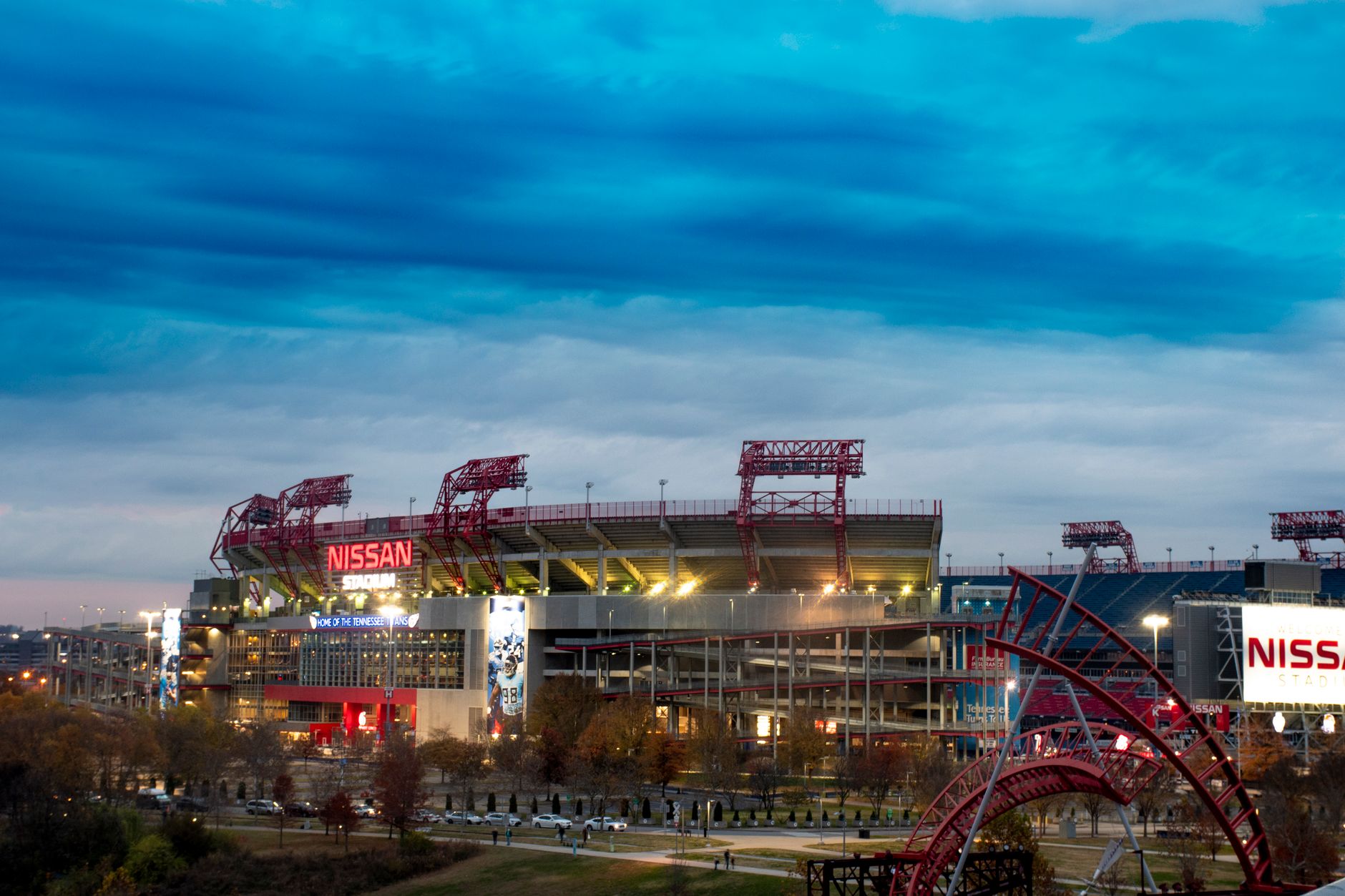
The Visitor's Guide to Kansas City's 2026 World Cup Experience
Kansas City, Missouri, is one of eleven North American host cities for the FIFA World Cup 2026, with Arrowhead Stadium accommodating matches for an estimated 76,000 spectators per game. The city projects over 400,000 international visitors during the tournament window, supported by a dedicated ConnectKC26 motorcoach network linking Kansas City International Airport, stadium venues, and the FIFA Fan Festival site. Unlike coastal alternatives, Kansas City offers a centralized Midwest location with shorter domestic connection times and significantly lower accommodation costs—hotel rates average 40-60% below New York or Los Angeles pricing during peak tournament dates. The city's "Soccer Capital of America" designation reflects decades of grassroots support that transforms stadium attendance into a unified cultural experience. Visiting fans should prioritize ConnectKC26 passes for match-day transit and explore the two-state region's culinary and musical offerings between fixtures.
Photo by Gabriel Tovar on Pexels
The Quick Comparison
| Host City | Stadium Capacity | Avg. Hotel Rate (Match Week) | Fan Festival Size | Transit Score |
|---|---|---|---|---|
| Kansas City | 76,000 | $180/night | 200,000+ capacity | Excellent |
| New York/New Jersey | 82,500 | $420/night | 300,000+ capacity | Very Good |
| Los Angeles | 70,000 | $380/night | 250,000+ capacity | Good |
| Dallas | 80,000 | $220/night | 180,000+ capacity | Good |
| Miami | 65,000 | $350/night | 220,000+ capacity | Good |
complete guide to all 2026 World Cup host cities
Round 1: Why Kansas City Wins on Transportation Logistics
Transportation infrastructure often determines whether a World Cup visit becomes memorable or maddening. Kansas City addresses this challenge with ConnectKC26, a purpose-built motorcoach service operating exclusively during the tournament. The system connects Kansas City International Airport directly to Arrowhead Stadium on match days—a 25-minute journey that bypasses the traffic congestion plaguing larger metropolitan areas. This matters because fan frustration with post-match transit consistently ranks among the top complaints in FIFA tournament surveys.

The city's geographic advantage compounds this benefit. Situated at the geographic center of the United States, Kansas City offers significantly shorter domestic flight connections compared to coastal alternatives. Fans traveling from European or South American departure points often face 8-12 hour layovers when routing through New York or Los Angeles; Kansas City's central position can reduce connection times by 2-4 hours on average. Regional rail and bus networks serving the two-state Kansas City metropolitan area—spanning both Missouri and Kansas—provide additional flexibility for fans choosing to explore the Heartland between fixtures.
What distinguishes Kansas City's approach is the integration between public transit and private hospitality. Major hotel clusters in Overland Park, Kansas, and the Kansas City Power & Light District offer complimentary shuttle partnerships with ConnectKC26, effectively eliminating the need for rental vehicles or ride-sharing services during the tournament window.
Round 2: The FIFA Fan Festival Kansas City Difference
The FIFA Fan Festival serves as the tournament's communal heartbeat, and Kansas City's 2026 edition promises distinctive character. The official Kansas City Fan Festival site describes an event designed around "good matches, good food, good entertainment and good people"—a tagline that captures the city's approachability without sacrificing spectacle. Early capacity projections suggest the Kansas City site will accommodate 200,000+ visitors across tournament dates, with live match broadcasts on massive LED screens visible from dedicated viewing zones.
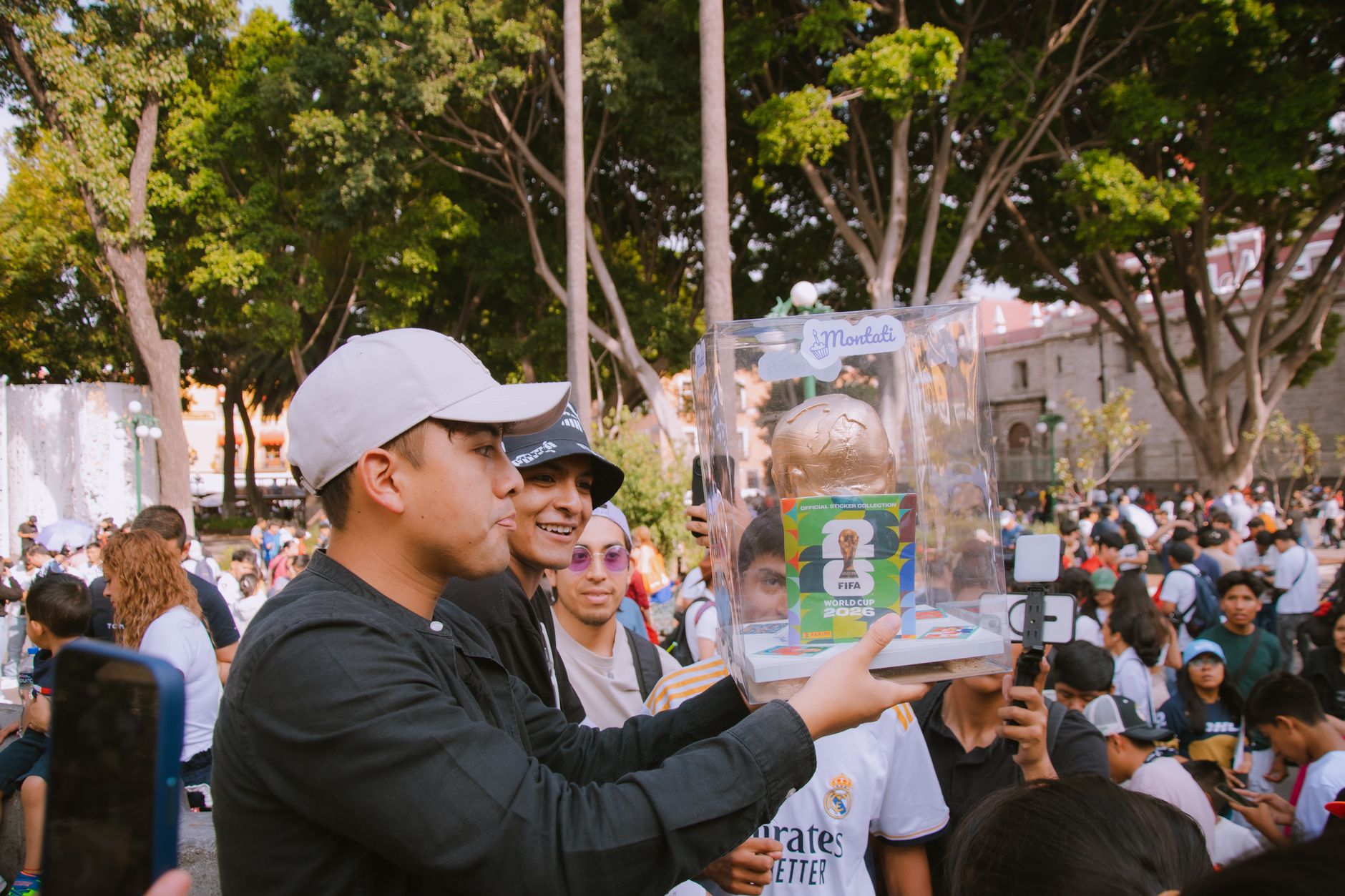
Photo by César O'neill on Pexels
Unlike fan festivals in larger metropolitan areas that prioritize corporate activations and celebrity appearances, Kansas City's version emphasizes authentic Midwestern hospitality. Local restaurant partnerships bring Kansas City barbecue, craft breweries, and international cuisine operated by the city's diverse immigrant communities into the festival grounds. The "Stories From the Heartland" editorial campaign on the official Kansas City 2026 website further reinforces this positioning, spotlighting neighborhood voices and cultural venues that connect international visitors with local residents.
The festival location near the Kansas City Power & Light District places attendees within walking distance of the city's renowned jazz scene, arts galleries, and the Crossroads District's galleries and studios. This walkability factor distinguishes the Kansas City Fan Festival experience from competitors where vast distances between venues fragment the communal atmosphere.
Round 3: Accommodations and the Two-State Advantage
Accommodation strategy can make or break a tournament visit, and Kansas City offers advantages that sophisticated travelers will recognize immediately. The metropolitan area spans two states—Missouri and Kansas—effectively doubling available hotel inventory within a 30-minute stadium commute radius. This two-state geography creates pricing dynamics that heavily favor Kansas City compared to single-state competitors.

During peak tournament weeks, Kansas City hotel rates average approximately $180 per night for mid-range properties, compared to $420 in New York/New Jersey and $380 in Los Angeles. For a 10-day tournament visit involving three group stage matches, this differential translates to savings of $1,200-$1,600 on accommodation alone—funds that visitors can redirect toward tickets, dining, and merchandise. Budget-conscious fans attending multiple matches across different host cities will find Kansas City provides the most favorable cost-per-day ratio in the North American tournament.
The two-state advantage extends beyond pricing. Kansas-side hotels in Overland Park and Leawood offer quieter neighborhoods and newer construction at lower rates, while Missouri-side options in the Power & Light District and Country Club Plaza provide walkable entertainment access. Families may prefer the suburban Kansas properties, while younger visitors often gravitate toward the vibrant Missouri-side nightlife corridors.
The Final Score and Who Should Pick Kansas City
After examining transportation, fan experience, and accommodation dimensions, Kansas City emerges as the optimal host city choice for specific traveler profiles. Budget-conscious international visitors should strongly consider Kansas City as their primary base, leveraging the central location for day trips to neighboring host cities while enjoying 40-60% accommodation savings. First-time World Cup attendees seeking authentic fan culture over corporate spectacle will find Kansas City's "Heartland" atmosphere more welcoming than intimidating metropolitan alternatives. Families appreciate the shorter transit times, abundant dining options with child-friendly environments, and the manageable scale that prevents overwhelming sensory overload.

Photo by Giancarlo Rojas on Pexels
Experienced tournament travelers with unlimited budgets might still prefer coastal venues for their post-match entertainment options. However, those prioritizing match-day experience quality over nightlife variety will discover that Kansas City's Arrowhead Stadium offers one of the most passionate atmospheres in the 2026 tournament roster. The city's soccer heritage—reflected in its "Soccer Capital of America" designation—translates into crowd energy that elevates every fixture beyond standard sporting event attendance.
Planning your Kansas City World Cup visit requires early action. ConnectKC26 transit passes should be reserved before domestic travel bookings, as capacity limits will force rationing as tournament dates approach. Hotel availability in the $150-200 range disappears 6-8 months ahead of the tournament, particularly for properties offering shuttle partnerships.
Frequently Asked Questions
What is the Kansas City stadium capacity for World Cup 2026 matches?
Arrowhead Stadium in Kansas City accommodates 76,000 spectators for World Cup 2026 matches, making it one of the mid-sized venues in the North American tournament roster. The stadium's modern amenities and dedicated FIFA Fan Festival site nearby ensure visitors experience a complete tournament atmosphere despite the more intimate crowd size compared to venues like MetLife Stadium (82,500) or AT&T Stadium (80,000).
How do I get from Kansas City Airport to the stadium on match days?
The ConnectKC26 motorcoach service provides direct transportation from Kansas City International Airport to Arrowhead Stadium on all match days. Passes must be reserved in advance through the official Kansas City 2026 website. The journey takes approximately 25 minutes under normal traffic conditions, with dedicated express lanes ensuring minimal delays. Ride-sharing and traditional taxi services also operate but face significant congestion during peak arrival windows.
What is unique about the Kansas City FIFA Fan Festival?
The Kansas City FIFA Fan Festival distinguishes itself through authentic Midwestern hospitality and local cultural integration. Unlike festivals in larger cities that prioritize corporate activations, Kansas City's event features partnerships with local barbecue restaurants, craft breweries, and diverse immigrant-owned food vendors. The "Stories From the Heartland" campaign connects international visitors with neighborhood communities, creating cultural exchange opportunities beyond match viewing.
Is Kansas City worth visiting for World Cup 2026 compared to other host cities?
Kansas City offers the best value-to-experience ratio among 2026 host cities, with hotel rates 40-60% below coastal alternatives and transportation logistics significantly more manageable than in major metropolitan areas. The central geographic location reduces domestic flight connection times, while the two-state accommodation inventory provides booking flexibility unavailable in single-state competitors. For fans prioritizing match atmosphere and authentic local culture over nightlife variety, Kansas City delivers an exceptional tournament experience.
How much does accommodation cost in Kansas City during World Cup 2026?
Mid-range hotel accommodation in Kansas City averages approximately $180 per night during World Cup 2026 match weeks, compared to $420 in New York/New Jersey and $380 in Los Angeles. Budget options under $120 per night exist but book quickly, while luxury properties range from $280-350 nightly. Suburban Kansas-side hotels typically offer lower rates than Missouri-side downtown options while maintaining similar commute times to Arrowhead Stadium.
What transportation options exist between Kansas City host city and other 2026 venues?
Kansas City's central position provides convenient access to neighboring host cities including Dallas (approximately 7 hours by car), Kansas City itself connecting to multiple regional airports with domestic flight options. The ConnectKC26 system focuses on internal tournament transportation rather than inter-city travel. Visitors planning multi-city tournament schedules should book domestic flights between venues early, as capacity constraints during the 2026 window will drive significant price increases closer to tournament dates.
What should visitors know about the two-state Kansas City metropolitan area?
The Kansas City metropolitan area spans portions of Missouri and Kansas, effectively doubling accommodation options and creating competitive pricing dynamics that benefit visitors. Missouri-side neighborhoods like the Power & Light District, Country Club Plaza, and Crossroads District offer walkable entertainment and dining. Kansas-side areas including Overland Park, Leawood, and Prairie Village provide newer hotel construction, quieter residential surroundings, and access to excellent golf courses. Both states share integrated sports culture and hospitality traditions that define the unified Kansas City experience.