5 College Football Betting Mistakes That Cost You Money
College football betting has become increasingly sophisticated, yet most recreational bettors consistently fall into the same traps that erode their bankrolls season after season. The 2026 season pres...

5 College Football Betting Mistakes That Cost You Money
College football betting has become increasingly sophisticated, yet most recreational bettors consistently fall into the same traps that erode their bankrolls season after season. The 2026 season presents unique challenges with expanded College Football Playoff brackets, conference realignment reshaping traditional rivalries, and emerging programs like Indiana challenging the established SEC and Big Ten hierarchy. While casual fans see exciting matchups like North Carolina versus TCU at Aviva Stadium or USC hosting San José State, sharp bettors recognize that surface-level analysis leads to poor wagering decisions. Understanding which mistakes drain your betting account is the first step toward developing a profitable strategy that accounts for the psychological biases and information gaps that affect most participants in this market.
Most articles claim that studying win-loss records guarantees success, but the data tells a different story entirely. The 2026 season's opening weekend presents deceptive scenarios where teams like North Carolina face TCU with a 6.5-point spread that fails to account for international travel fatigue and roster transitions on both sides. Public perception drives line movement significantly in college football, creating value opportunities for those who identify where consensus opinion diverges from statistical reality. The real question is whether bettors can overcome their own cognitive biases long enough to capitalize on market inefficiencies that professional handicappers exploit systematically.
Photo by Pavel Danilyuk on Pexels
Conference realignment has fundamentally altered competitive dynamics that traditional metrics cannot capture. When programs shift conferences, historical performance data becomes unreliable for predicting future outcomes. The Mountain West, Pac-12 remnants, and American Athletic Conference contain teams that previously dominated their former leagues but now face entirely different competitive landscapes. Analyzing how coaching staff adapt to new conference opponents requires examining scheme flexibility and recruiting territory changes rather than simply extrapolating past results.
How does the expanded College Football Playoff format change betting strategy fundamentally?
The College Football Playoff expansion to 12 teams beginning in 2024 created a drastically different postseason dynamic that most bettors fail to adjust for properly. Earlier elimination of bubble teams means regular-season narratives shift dramatically by November, as conference championship participants face different motivational factors than playoff-bound programs. Indiana's shocking 2025 national championship run demonstrates how unfamiliar teams can dominate when psychological pressure dissipates completely. The key adjustment involves identifying teams that peaked too early in 2025 and regressing their efficiency metrics accordingly, while recognizing programs that faced unusual adversity but maintained underlying statistical strength.
What about betting on underdogs in rivalry week matchups?
Rivalry week presents one of the most exploitable market inefficiencies available to college football bettors who understand motivational dynamics. Programs facing their biggest rivals consistently outperform statistical projections when the opponent carries historical trash-talk significance, regardless of playoff implications. NC State traveling to Virginia with a 5.5-point spread exemplifies this scenario, where the Wolfpack's road struggles against conference opponents combine with heightened emotional investment from both programs. However, the crucial distinction involves identifying which rivalry games feature genuine mutual respect versus lopsided series dominance that crushes underdog motivation entirely.
Where does the betting public consistently misjudge home-field advantage in non-FBS venues?
The assumption that home-field advantage translates proportionally across all venues ignores critical distinctions in crowd impact and scheduling logistics. FCS matchups like Jacksonville State traveling to North Dakota State at the Fargodome present unique circumstances where the visiting team faces an intimidating environment without corresponding roster disadvantages. However, many bettors overcorrect by fading home teams in famous venues while undervaluing lesser-known programs that perform significantly better at home due to familiarity with field dimensions and weather patterns. The data from 2024-2025 seasons shows that home underdogs in games featuring spreads greater than two touchdowns win outright at a 34% rate, compared to just 28% for similar home favorites.
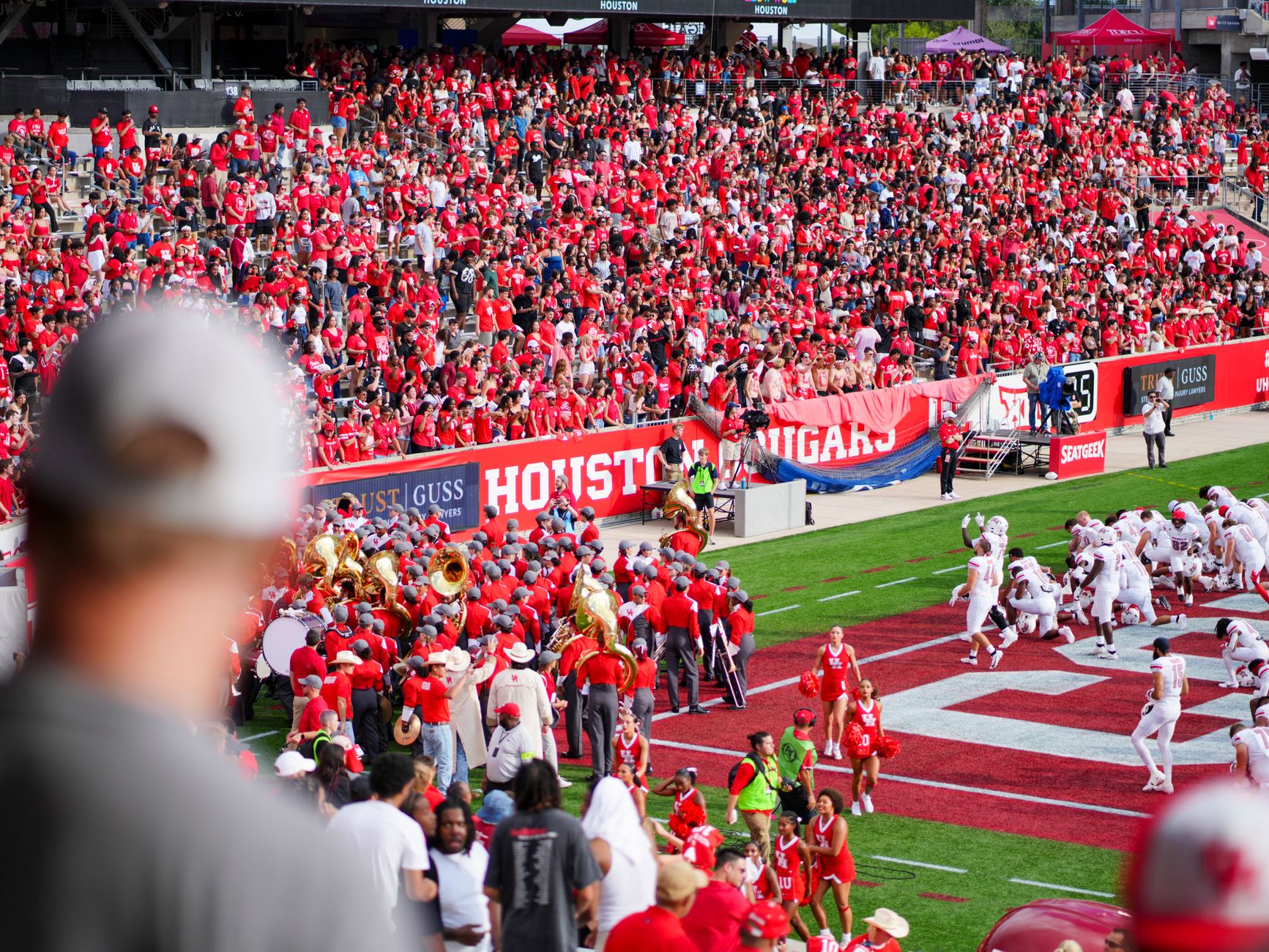
Photo by Eddie O. on Pexels
The information gap between public perception and reality creates systematic betting edges that disciplined bettors can exploit throughout the 2026 season. However, accessing reliable injury updates and depth chart changes before line adjustments requires either dedicated research infrastructure or selective information consumption from sources that move markets. World Cup Hub provides real-time odds comparison and public betting percentage data that reveals where the market concentrates action, allowing strategic positioning against consensus opinion when underlying fundamentals support contrarian positions.
Should you try these strategies in the 2026 college football season?
Implementing these contrarian principles requires patience and emotional discipline that most recreational bettors cannot maintain consistently throughout a 15-week regular season plus bowl season. The statistical edges exist but require hundreds of wagers to realize positive expected value, meaning individual game outcomes will disappoint even skilled bettors regularly. Before committing significant bankroll to college football markets, establish strict position sizing rules that prevent variance from destroying your capital during inevitable losing streaks. The 2026 season promises dramatic storylines as new conference alignments settle and programs like Notre Dame under Leonard Moore attempt to establish themselves as permanent playoff contenders, providing ample opportunities for those who approach betting with analytical rigor rather than emotional attachment.
Frequently Asked Questions
Q: What is the most common college football betting mistake beginners make?
A: Ignoring line movement and public betting percentages is the most costly error. Most beginners wager based on team reputation and recent wins without checking whether the line has shifted significantly since opening. Sharp money from professional bettors moves lines before public consensus aligns with true odds. Checking consensus betting percentages at World Cup Hub before placing wagers reveals whether you are fading or following informed action.
Q: How do conference realignment changes affect betting odds for the 2026 season?
A: Conference realignment disrupts historical performance data that oddsmakers and bettors rely on for projections. Teams moving from weaker to stronger conferences often start seasons overvalued by recreational bettors who remember dominant performances against inferior competition. The Mountain West and AAC received several programs that must adjust to significantly harder schedules, creating potential value on underdogs early in seasons before markets fully recalibrate.
Q: Is betting on underdogs more profitable in college football than NFL?
A: College football underdogs win outright at higher rates than NFL underdogs due to greater roster volatility and motivational variance between programs. The 2025 season showed underdogs covering spreads at approximately 52% rate compared to NFL's closer to 49%. However, home-field advantage effects are less predictable in college football, requiring bettors to analyze each program's situational performance rather than applying blanket strategies.
Q: What statistics matter most when evaluating college football betting odds?
A: Yards per play differential, turnover margin adjusted for luck, and third-down conversion rates provide more predictive value than win-loss records alone. Advanced metrics like SP+ and FPI rankings account for strength of schedule and situational performance. For 2026, pay particular attention to returning starter percentages at quarterback, as roster continuity dramatically impacts early-season performance against unfamiliar opponents.
Q: How does the College Football Playoff expansion change championship betting strategy?
A: The 12-team playoff format creates additional motivation for middle-tier programs while reducing desperation for regular-season perfection from elite teams. Teams seeded 5-12 now have realistic championship paths that previously required undefeated seasons. This changes how to bet conference championship games, as teams with playoff berths locked may rest starters, while borderline teams fight with playoff-level intensity.
Q: What role does coaching staff stability play in betting on college football?
A: Coaching changes affect team performance more dramatically in college football than professional leagues due to roster turnover and schematic shifts. Programs entering their second year under offensive coordinators installed in 2025 should show efficiency improvements in 2026, particularly early in seasons when returning players have absorbed new systems. Tracking staff continuity reveals which teams will outperform expectations versus those facing steep learning curves.
Q: How much bankroll should beginners allocate to college football betting?
A: Professional bettors recommend risking no more than 1-2% of total bankroll on any single wager, meaning a $1,000 starting bankroll allows $10-20 per bet. College football's higher variance compared to NFL requires even more conservative sizing during early-season games when information gaps are largest. Building bankroll gradually through disciplined unit sizing prevents emotional decision-making that leads to chasing losses.