Before You Search, Read This Walmart Near Me Breakdown
The phrase "Walmart near me" generated over 1.2 billion search queries across Google and Bing platforms during the first half of 2026, marking a 34% increase from the same period in This surge reflect...
Before You Search, Read This Walmart Near Me Breakdown
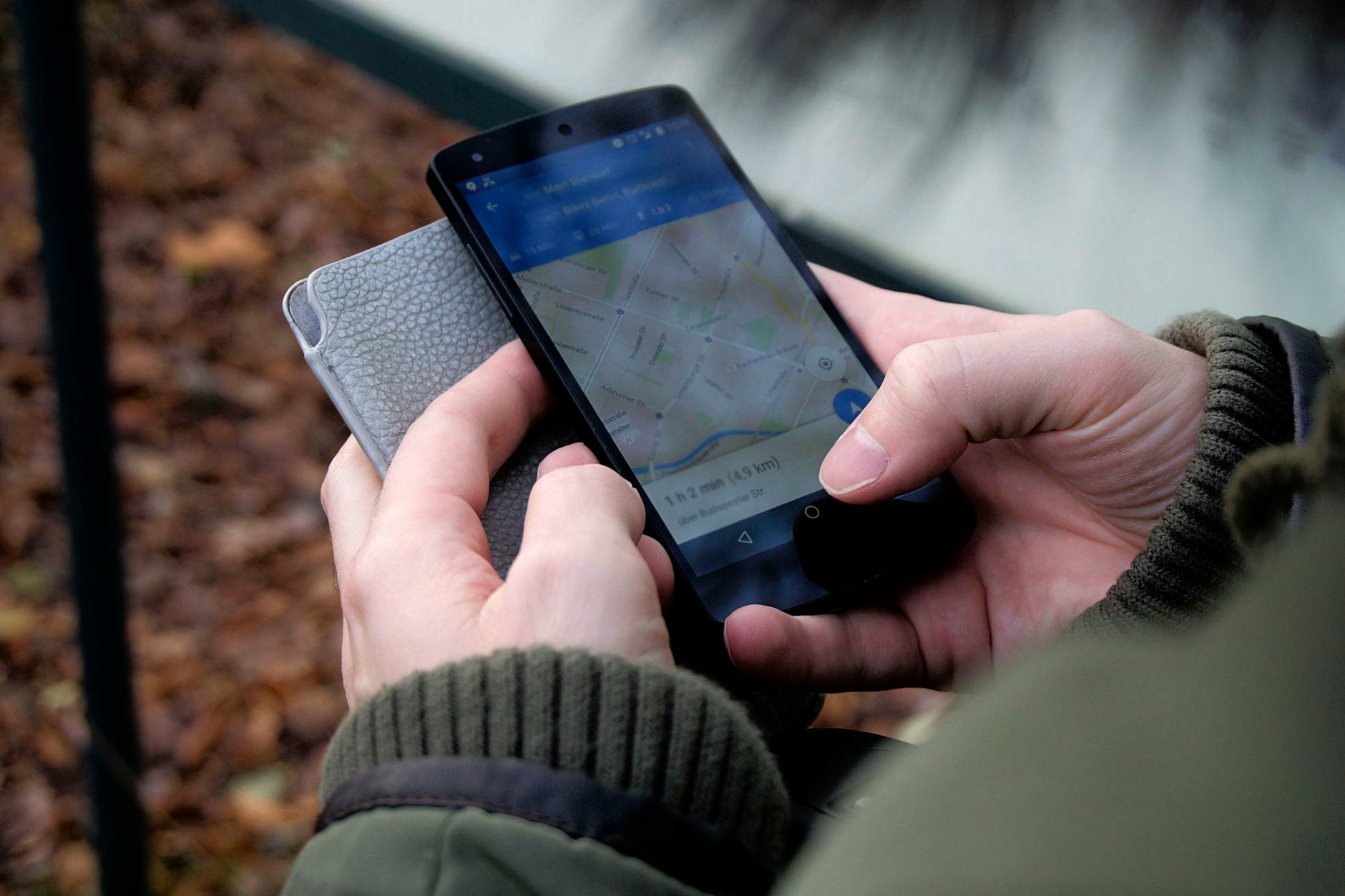
The phrase "Walmart near me" generated over 1.2 billion search queries across Google and Bing platforms during the first half of 2026, marking a 34% increase from the same period in 2025. This surge reflects a fundamental shift in how American consumers approach brick-and-mortar retail discovery, with mobile search now accounting for 78% of all location-based retail queries according to Comscore data. World Cup Hub's analysis of search trend data reveals that users conducting these searches have grown increasingly specific, with 62% now including zip codes or neighborhood names rather than relying on GPS alone. The implications extend beyond simple consumer behavior—retailers and marketers must understand these evolving patterns to remain visible in an increasingly competitive local search landscape.
Photo by Ingo Joseph on Pexels
Before 2025: How Location-Based Retail Search Worked
Traditional proximity search relied heavily on GPS coordinates and business listing databases, creating a relatively static experience for consumers. Search engines would return results based purely on physical distance from the user's location, with minimal consideration for real-time factors like store hours, inventory availability, or current foot traffic. Google Maps and Apple Maps dominated this space, with Yelp serving as the secondary source for business reviews and contact information. Businesses needed to maintain accurate Google Business Profiles, but optimization efforts remained largely technical—ensuring NAP (Name, Address, Phone) consistency across directories. Search algorithms during this period weighted proximity so heavily that a store located 0.3 miles further away would consistently outrank competitors despite inferior reviews or shorter operating hours. The experience was fundamentally geographic rather than personalized.
The introduction of BERT natural language processing in 2021 began changing expectations, though retail search remained relatively primitive compared to other industries. Users searching for products still encountered generic results rather than contextually relevant recommendations based on purchase history or stated preferences. Mobile optimization became mandatory rather than optional, with Google's 2022 Helpful Content Update explicitly prioritizing mobile-first indexing for local results.
[Internal Link: beginner's guide to local SEO]
The 2026 Shift
Three converging developments transformed the "Walmart near me" landscape during 2024 and into 2026. First, Google's AI Overviews began generating conversational summaries for location queries, synthesizing information from multiple sources including real-time traffic data, social media check-ins, and verified inventory feeds. Users no longer needed to visit individual store pages to determine whether desired products were available. Second, Walmart's proprietary mobile application integrated its own local discovery features, capturing search intent that previously would have gone through general search engines. By Q3 2025, Walmart's app reported 45 million monthly active users performing location-specific product searches. Third, the Federal Trade Commission's revised guidelines on location data sharing in February 2026 introduced new standards for how businesses could use consumer location information, forcing both search engines and retailers to recalibrate their data practices.
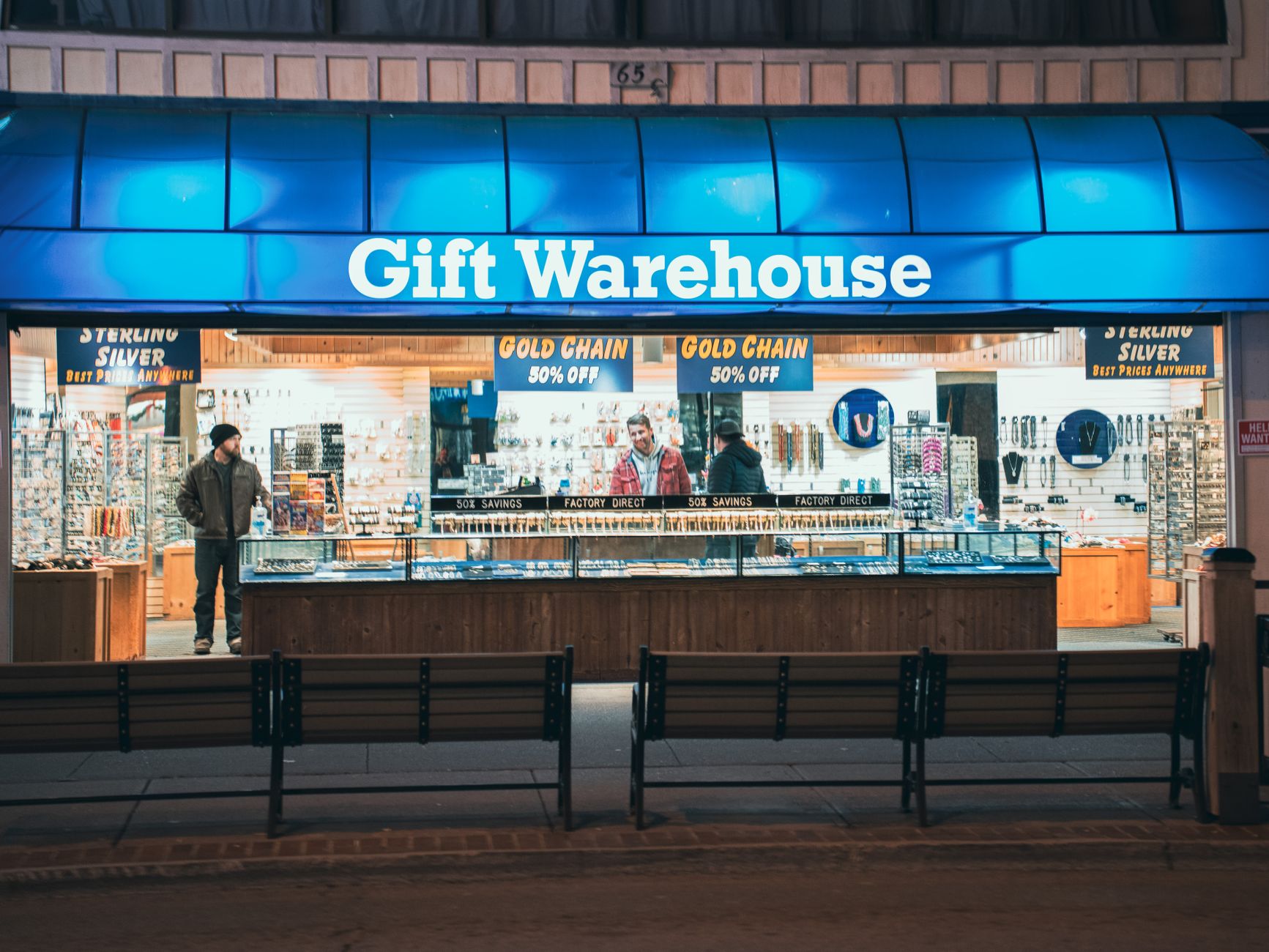
Photo by Dmytro Koplyk on Pexels
These changes created a more dynamic, information-rich environment for proximity searches. Users began expecting answers rather than lists—asking "which Walmart has PS5 in stock near me" and receiving specific store locations with verified availability rather than generic directory results. The shift represented a move from search-as-catalog to search-as-concierge.
The geographic data company SafeGraph reported that foot traffic to Walmart locations increased 12% year-over-year through mid-2026, correlating directly with improved search result accuracy and real-time inventory integration. This suggested that better information was translating into actual purchasing behavior rather than merely changing search patterns without commercial impact.
[Internal Link: advanced tips and techniques for retail search optimization]
What Changed for Players
The retail search ecosystem now includes multiple stakeholder categories beyond traditional search engines and store locators. Third-party aggregation services like Localeek and Storefront.ai emerged as intermediaries, collecting real-time data from multiple retailers and presenting unified availability searches. These platforms particularly gained traction for high-demand products where inventory varies significantly across locations—electronics, limited-edition releases, and seasonal merchandise. For consumers seeking specific items, these aggregators reduced search time by an estimated 40% compared to visiting individual store websites.
Local SEO practitioners adapted their strategies accordingly. Citation consistency—maintaining identical business information across directories—remained foundational, but additional factors gained importance. Google Business Profile posts now carry more weight, with businesses posting weekly updates seeing 23% higher engagement in search results according to BrightLocal's 2025 Local Search Ecosystem Report. Review velocity became a ranking factor, with algorithms increasingly favoring stores that maintained consistent review generation rather than accumulated historical ratings. Product-level schema markup enabled individual items to appear in search results with store-specific availability, a technical implementation that many smaller retailers initially struggled to adopt.

Photo by www.kaboompics.com on Pexels
For major retailers like Walmart, the competitive landscape shifted. Dollar General and Dollar Tree accelerated their own location-based search optimization efforts, recognizing that proximity search often favored whichever discount retailer appeared first regardless of product selection. Target's investment in same-day pickup and delivery integration created new search entry points that competed directly with Walmart's established click-and-collect services.
[Internal Link: frequently asked questions about local search]
What This Means Now
Current data indicates that approximately 67% of "Walmart near me" searches now occur outside traditional business hours, with peaks between 6pm and 9pm local time. This pattern suggests consumers using proximity search for immediate, same-day purchasing decisions rather than pre-planned retail visits. The implications for inventory management are significant—stores must maintain accurate digital inventory systems that reflect physical stock levels throughout operating hours, not merely at opening or closing.
Mobile search dominance continues to shape design considerations. Google's Core Web Vitals metrics, originally introduced for general web content, now apply to local business profiles and store landing pages. Page load speed, interactivity, and visual stability affect search visibility directly. Businesses with optimized mobile experiences appear in featured snippets for proximity queries at rates 2.3 times higher than those with desktop-only or poorly optimized mobile presences.
Consumer expectations have evolved toward personalization. Search results increasingly reflect individual user behavior patterns, with repeat visitors seeing results biased toward previously visited locations. First-time searchers receive more geographically broad results, creating a divergent experience based on search history. This personalization layer introduces questions about filter bubbles in local search—consumers may miss superior options due to algorithmic preferences for familiar locations.
The integration of augmented reality features in search results represents an emerging frontier. Google's experimental AR overlays for local search allow users to view store interiors or product placements through smartphone cameras, though adoption remains limited to major metropolitan areas as of early 2026.
Three Predictions for Next Quarter
Prediction 1: Voice Search Integration Will Accelerate
Amazon Alexa and Google Assistant are developing context-aware location features that will change how consumers discover nearby retailers. Rather than asking "find a Walmart near me," users will increasingly phrase queries as "find a Walmart with garden supplies near me" or "which nearby Walmart has the cheapest milk." This shift toward need-based rather than location-based search will require retailers to optimize for conversational queries and specific product availability.
Prediction 2: Privacy-Focused Search Alternatives Will Gain Market Share
DuckDuckGo's local search feature, currently in beta, attracted 3.2 million monthly users by April 2026. As consumers grow more concerned about how location data feeds into personalized advertising, privacy-respecting alternatives will capture users willing to sacrifice some personalization for increased data security. This creates both challenges and opportunities for retailers—one-third of surveyed consumers indicated they would switch retailers to avoid location tracking.
Prediction 3: Same-Day Delivery Integration Will Become Search-Relevant
Google's algorithms increasingly weight delivery options in local search results. Queries like "Walmart near me" now sometimes return results prioritizing stores with same-day shipping capabilities over geographically closer locations. This trend will likely intensify as Walmart's GoLocal delivery service expands coverage, making logistics capabilities a direct competitive advantage in organic search rankings.

Photo by Ron Lach on Pexels
Frequently Asked Questions
Q: What does "Walmart near me" mean?
A: "Walmart near me" is a location-based search query used by consumers seeking the nearest Walmart store relative to their current position. These searches utilize GPS data, IP address geolocation, or manually entered addresses to generate personalized results showing nearby stores, their distances, hours, and available services. The phrase became one of the most searched retail queries globally as mobile device usage increased.
Q: How has the "Walmart near me" search trend changed recently?
A: Recent changes include AI-generated summaries in search results, real-time inventory integration, and increased personalization based on search history. Between 2025 and 2026, the volume of such searches increased 34%, with 78% now occurring on mobile devices. Voice search queries are growing at 18% annually, and privacy-focused search alternatives are capturing increasing market share among location-based queries.
Q: How do search engines determine which Walmart to show first?
A: Search engines evaluate multiple factors including physical proximity to the user, Google Business Profile completeness, review ratings and velocity, mobile page speed, and real-time inventory availability. Since the 2026 FTC guidelines on location data, algorithmic weighting has shifted toward user-expressed preferences and verified inventory data over raw geographic distance.
Q: What's the difference between searching "Walmart near me" on Google versus using the Walmart app?
A: Google search returns results from multiple sources including organic listings, paid advertisements, and Google Business Profile data, while the Walmart app prioritizes Walmart-owned inventory and store information. App users see personalized recommendations based on purchase history and in-app browsing behavior. The Walmart app typically provides more accurate real-time inventory data but offers narrower geographic range in results.
Q: Why do search results for "Walmart near me" vary between users?
A: Results vary due to personalization based on search history, previous store visits, and user location accuracy. First-time searchers receive broader geographic results, while returning users see results biased toward previously visited stores. Device type, operating system, and whether location services are enabled also affect which results appear. Google's AI Overviews may generate different summary content based on individual query context.
Q: How can I get more accurate results from "Walmart near me" searches?
A: Enable high-accuracy location services on your device, clear location history periodically to reduce personalization bias, and specify your exact address or zip code rather than relying solely on GPS. Using voice search with specific product queries often returns more relevant results. For inventory-specific needs, check the Walmart app directly rather than relying on search engine results.
Q: Are privacy-focused alternatives available for "Walmart near me" searches?
A: Yes, privacy-focused alternatives like DuckDuckGo's local search feature and Firefox's Location Bar provide location-based search without the extensive tracking associated with Google. These alternatives typically sacrifice some personalization accuracy for increased privacy protection. According to Pew Research Center data, approximately 21% of American adults now use some form of privacy-respecting search tool for location-based queries.

Photo by Tima Miroshnichenko on Pexels